Aya Fiber Studio Journal
News, Stories & Fiber Art Insights
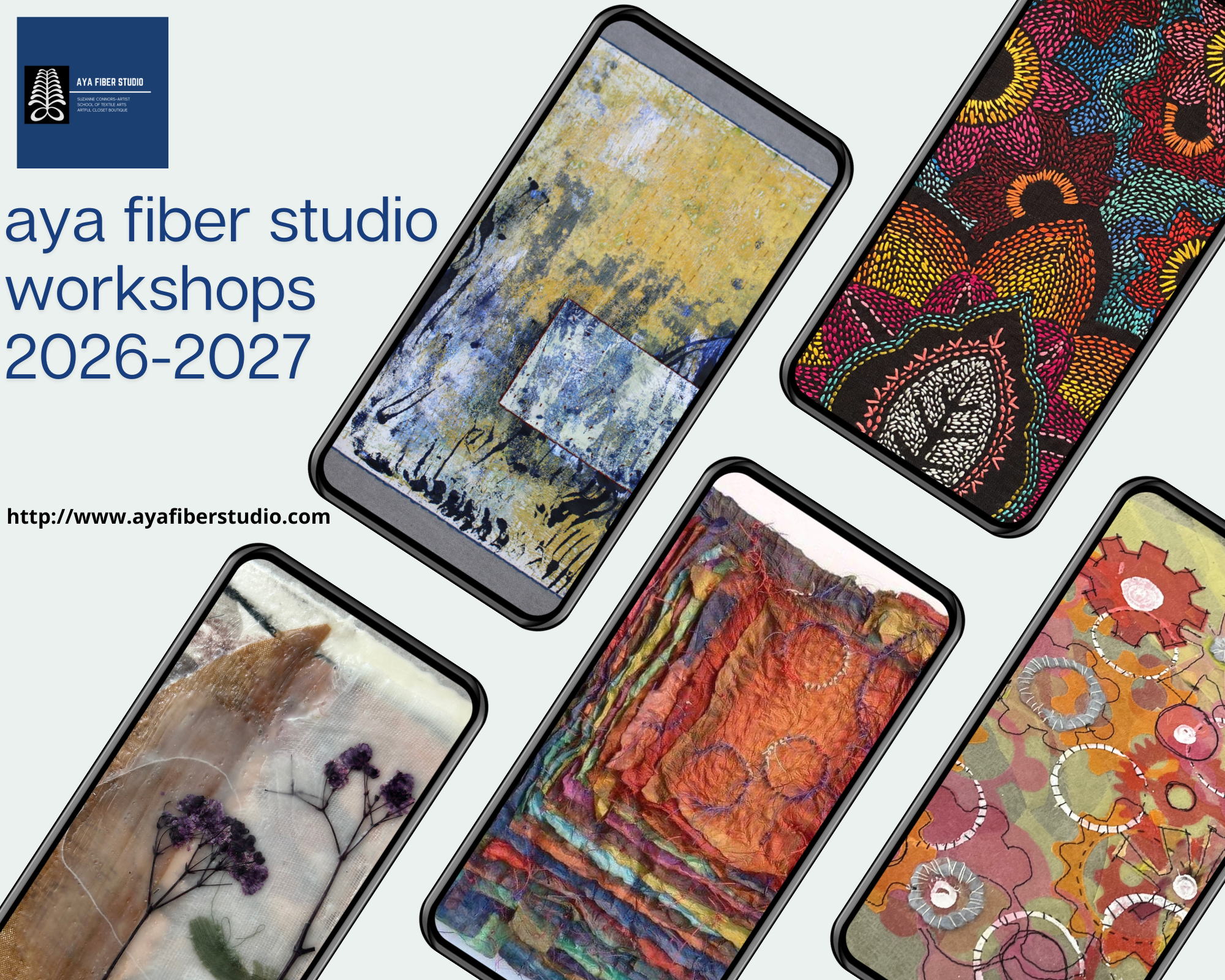
Follow the Creative Season South: Fall Fibercations with Aya Fiber Studio
Follow Aya Fiber Studio from fall workshops in the Southern Appalachian Mountains to creative classes and Open Studio Days in Stuart, Florida. Discover a fibercation filled with learning, community, and time to create.
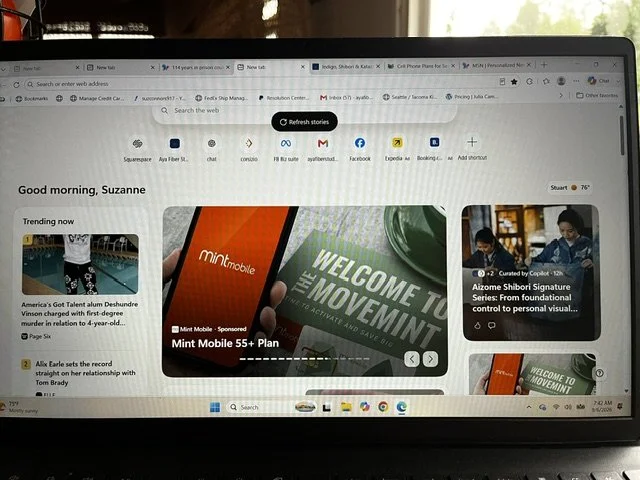
An Unexpected Morning Surprise: Aizome Studio on MSN
An unexpected MSN feature introduces a wider audience to Suzanne Connors, Aizome Studio, and a progressive approach to studying shibori, indigo, and personal visual language.
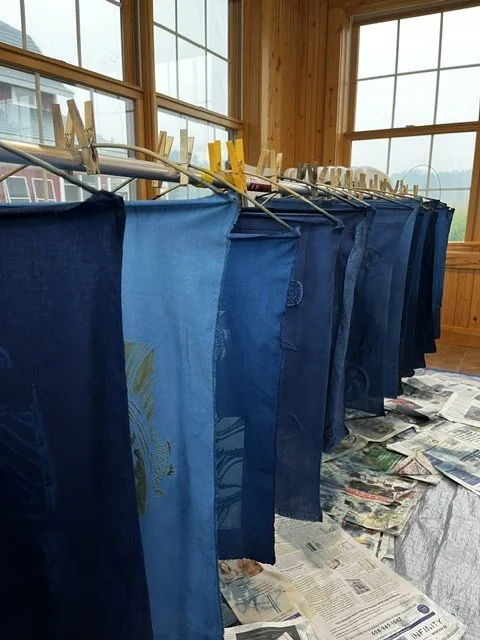
Layers of Cloth, Color and Meaning
Shibori is more than a collection of beautiful patterns. Discover how the Aizome Shibori Signature Series builds an understanding of stitch, compression, repetition, layering, indigo, and time—and learn about a rare winter retreat centered around a living sukumo fermentation vat.
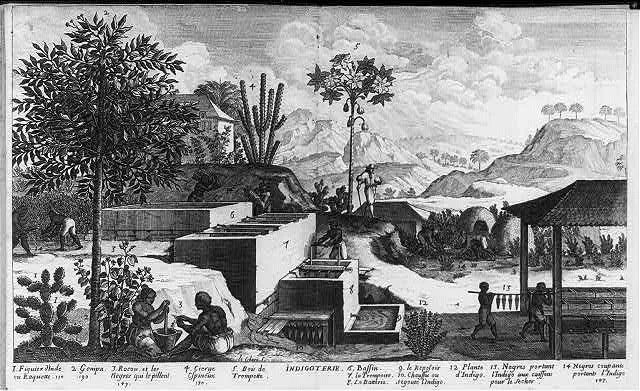
Indigo: The Blue That Helped Build a Nation
Few plants have shaped history quite like indigo. Once one of colonial America's most valuable exports, this remarkable blue dye colored textiles, fueled trade, and became part of the story of a growing nation. Discover how indigo connects the American Revolution, early textile traditions, and the natural dye practices that continue today.
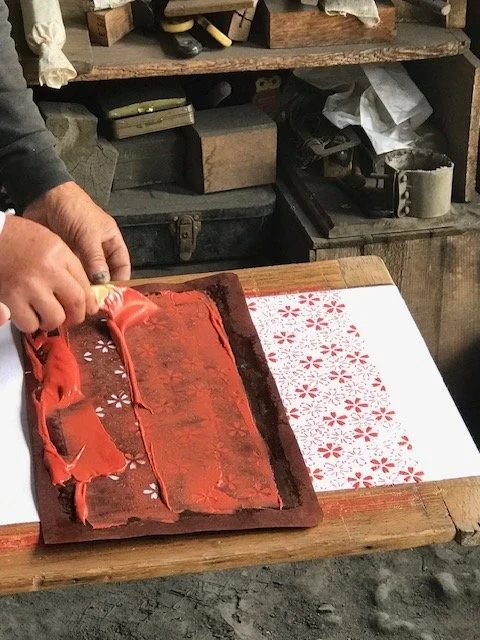
Katazome & Katagami: Preserving the Art of Japanese Stencil Dyeing
Discover the rich tradition of Japanese katazome and katagami stencil cutting — an art form where rice paste, indigo, handmade stencils, and generations of craftsmanship come together to create extraordinary textiles. Inspired by a visit with sixth-generation katazome artist Hiroshi Noguchi in Japan, this post explores the history, beauty, and enduring relevance of authentic Japanese stencil dyeing traditions, and how these experiences continue to shape my own teaching and textile practice.
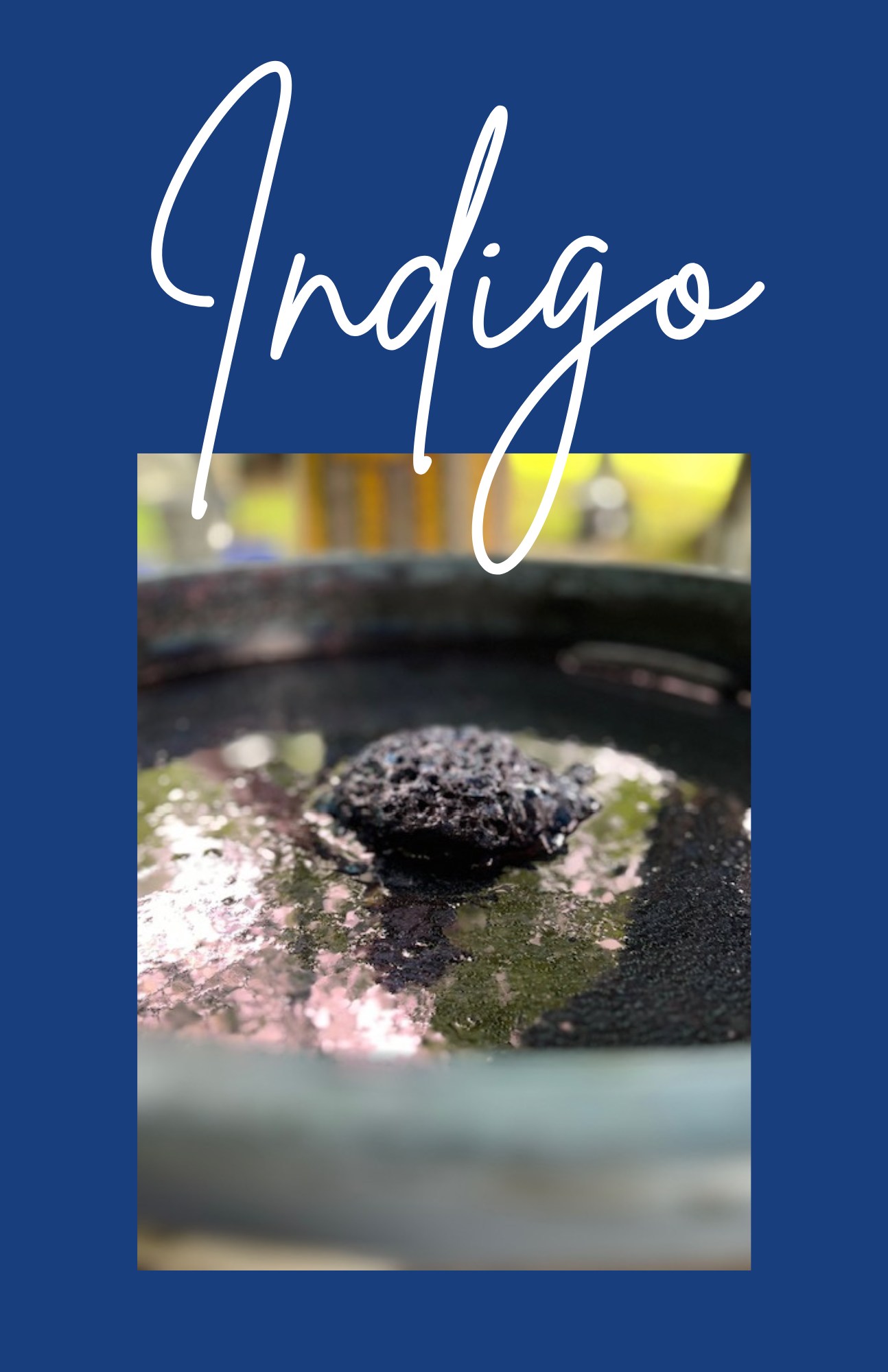
Types of Indigo Vats: Understanding the Blues Behind the Blue
Learn the differences between pre-reduced, fructose, iron, and sukumo indigo vats. Explore traditional aizome techniques, natural indigo dyeing, and how different vats affect the dye process and learning experience.
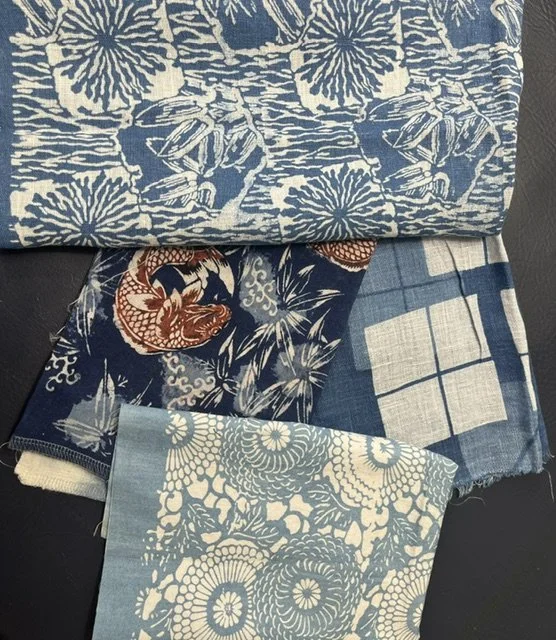
What Is Katazome?
Japanese Textile Arts Katazome is a traditional Japanese resist-dyeing technique that uses hand-cut stencils and rice paste to create layered patterns on cloth. Developed in Japan centuries ago, katazome combines craftsmanship, precision, and surface design to produce textiles that are both functional and deeply artistic.
The word itself comes from two Japanese words:
“kata” meaning stencil and “zome” meaning to dye.
In katazome, intricate patterns are first cut into handmade stencil paper called katagami. A rice-paste resist is then applied through the stencil onto fabric using a flat spatula or brush. Once the paste dries, layers of dye or pigment are brushed, painted, or immersion-dyed over the cloth. Wherever the rice paste remains, the dye is resisted — revealing the pattern beneath after the paste is washed away.
For centuries, katazome was used to decorate everyday textiles in Japan, including kimono fabrics, futon covers, noren curtains, workwear, and ceremonial cloths. Today, artists and textile designers continue to adapt the process in both traditional and contemporary ways.

When Facebook Disables a Verified Business Account After a Hack
When a Facebook account is disabled following a security breach, small business owners can lose critical access to customers, communication, and revenue streams. This article explores the risks, limitations of Meta Verified support, and how to protect your business.
Shibori Signature Series: Indigo Dyeing, Katazome & Textile Practice
Aizome Studio logo representing traditional Japanese indigo dyeing and the Aizome Signature Series at Aya Fiber Studio.
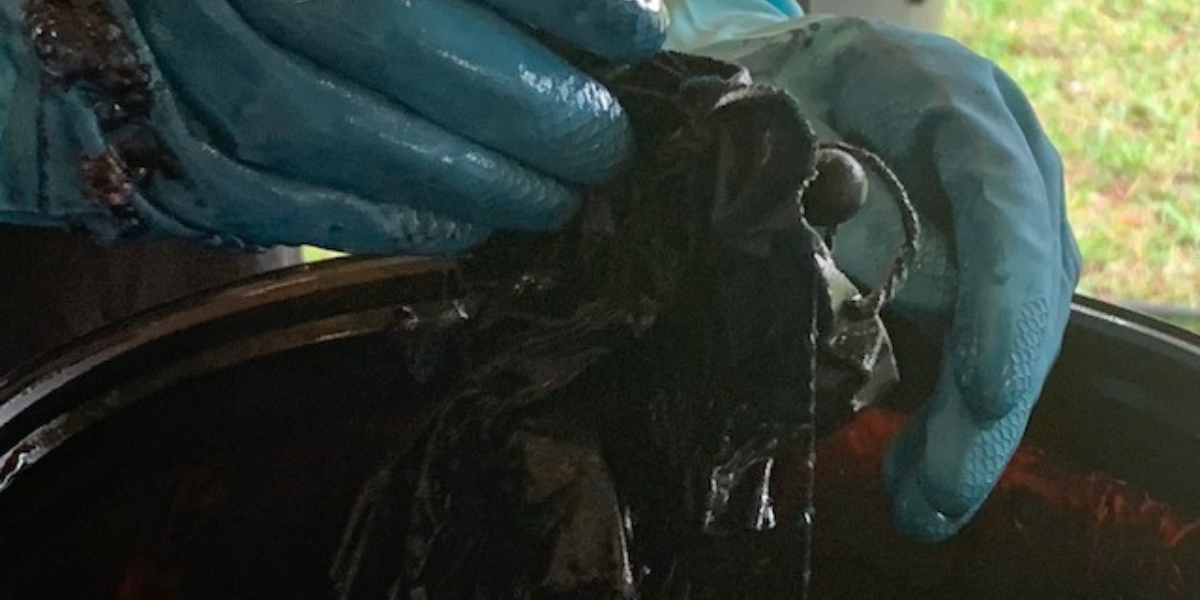
How to Choose the Right Fiber Art Workshop for You
Not sure which fiber art workshop to take? Learn how to choose between indigo, shibori, surface design, stitching, and mixed media workshops at Aya Fiber Studio.
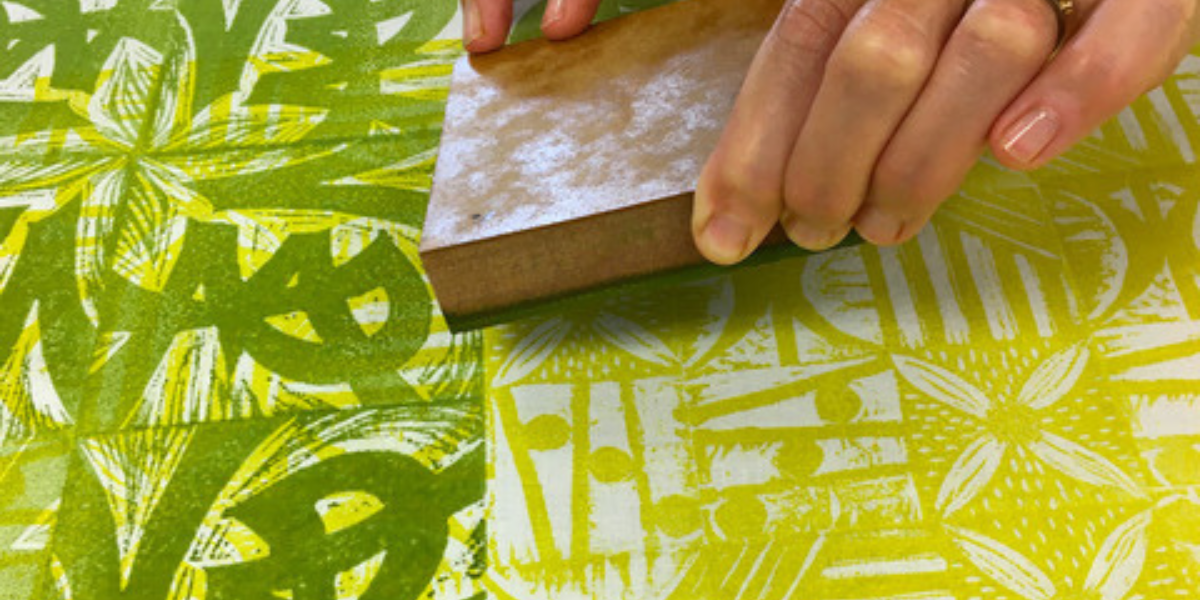
Surface Design Workshops: Textile Printing, Embroidery, Weaving & Fiber Art Classes at Aya Fiber Studio
Discover how surface design workshops at Aya Fiber Studio invite artists to explore textile printing, embroidery, weaving, and mixed media techniques with master artist instructors. Through hands-on processes like indigo dyeing, stitch as mark-making, and fabric layering, participants expand their visual vocabulary and reimagine how pattern, texture, and surface can transform their work.
Japan Textile Journeys: Travel That Transforms Your Creative Practice
Step into the source of Japanese textile traditions and experience a profound reset in your fiber practice. From indigo vats to hand-carved stencils, this journey reshapes how you see process, repetition, and the meaning of making.