Fabric Preparation Guide
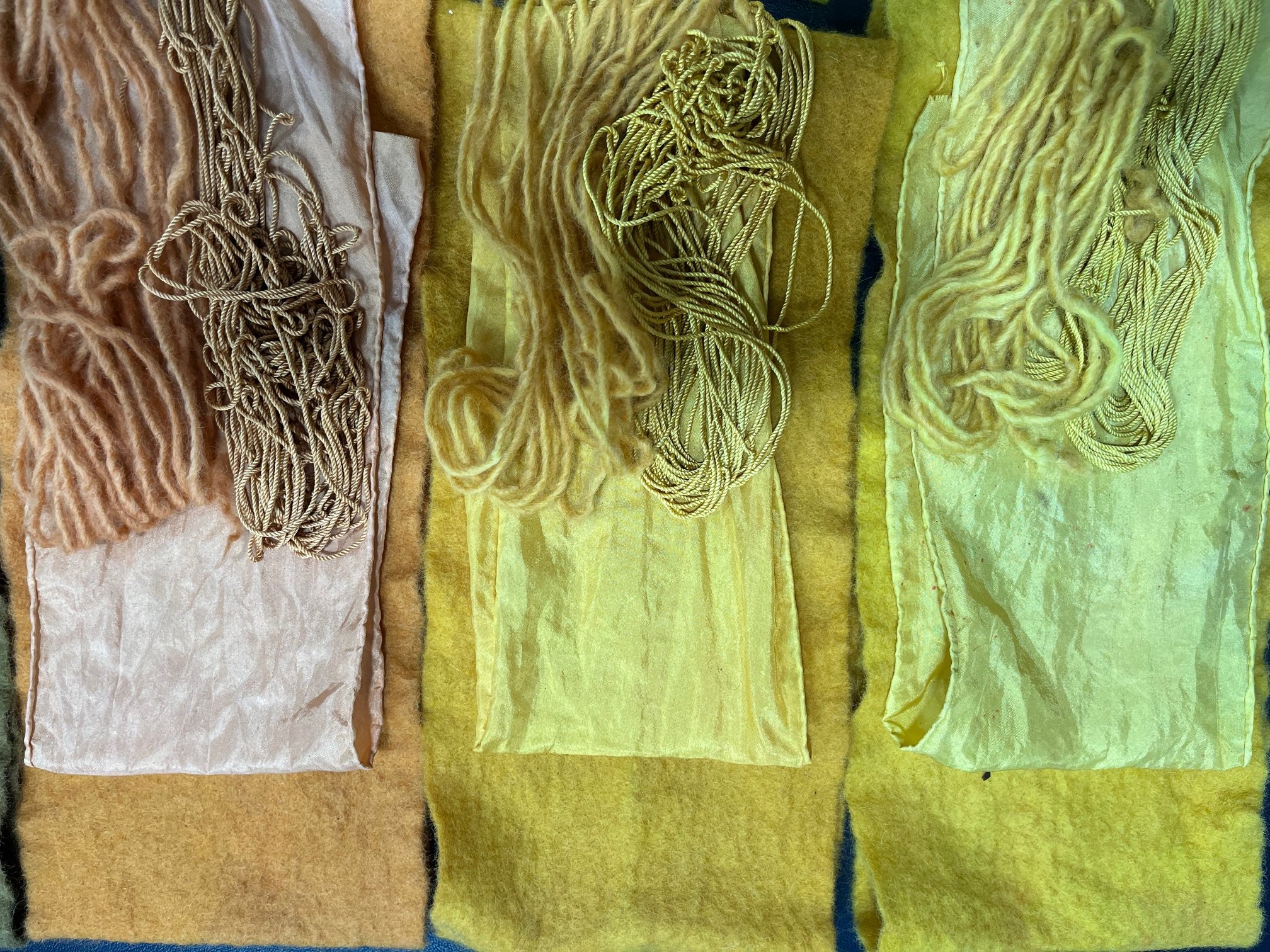
Great dyeing begins before the dye bath
Beautiful color begins long before the dye bath.
Fabric preparation is the foundation of natural dyeing. From the cloth you choose to how it is cleaned and treated; each step directly affects how color is absorbed, held, and expressed.
Before questioning your dye, always return to your preparation.
Mordanting: Supporting Color
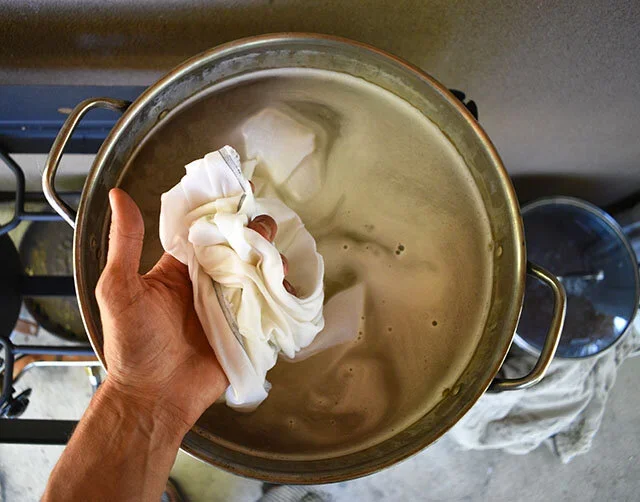
Mordanting is one of the most important—and often misunderstood—steps in natural dyeing.
A mordant is a mineral salt that helps bind dye to fiber, improving color fastness and often influencing the final hue. While many natural dyes require mordants to achieve lasting results, not all dyes depend on them in the same way.
Understanding when—and why—to use a mordant is key to developing both skill and intuition as a dyer.
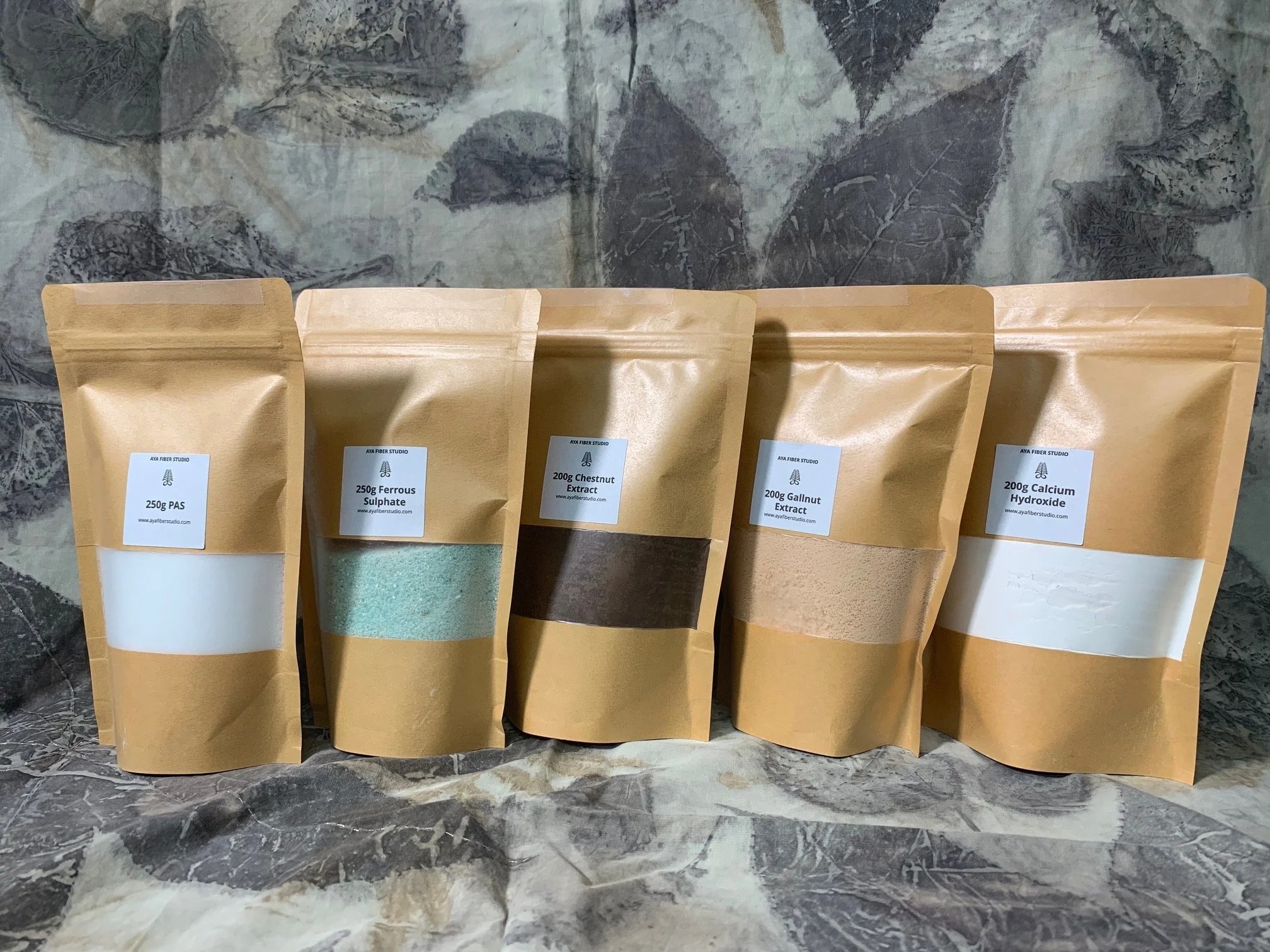
Common mordants include:
Alum – brightens and clarifies color
Iron – deepens and softens tones
Tannins – support dye uptake on plant fibers
Mordants can also act as modifiers, allowing subtle shifts in tone from the same dye source.
Fiber Types: Know Your Cloth
All natural fibers fall into two main categories, and each requires a different approach:
Protein Fibers (Animal-Based)
Wool, silk, alpaca, cashmere
Sensitive to heat and agitation
Require gentle handling
Absorb dye readily
Cellulose Fibers (Plant-Based)
Cotton, linen, hemp
Stronger and more resilient
Require thorough scouring
Often need additional preparation for best results
Understanding your fiber is the first step toward predictable, lasting color
Scouring: Preparing the Fiber
Scouring removes oils, waxes, and residues that prevent dye from penetrating evenly.
For Cellulose Fibers
(Cotton, Linen)
Add washing soda to water (approx. 1–2 tsp per litre)
Simmer fabric for 60–90 minutes
Stir occasionally
Rinse thoroughly
For Protein Fibers (Wool, Silk)
Use mild, pH-neutral soap
Soak in warm (not hot) water
Avoid agitation and temperature changes
Rinse gently
Proper scouring creates a clean, receptive surface—essential for even dyeing.
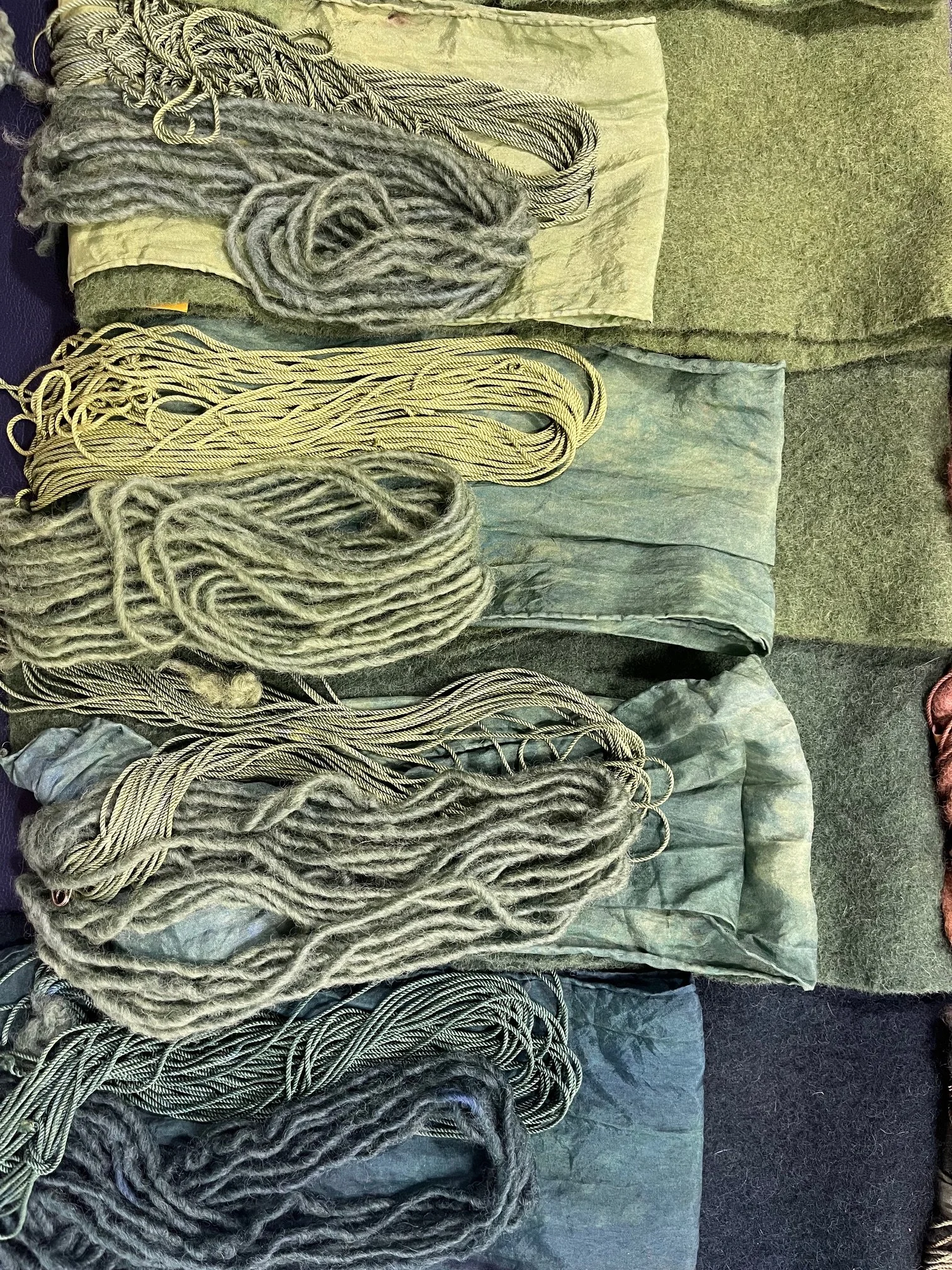
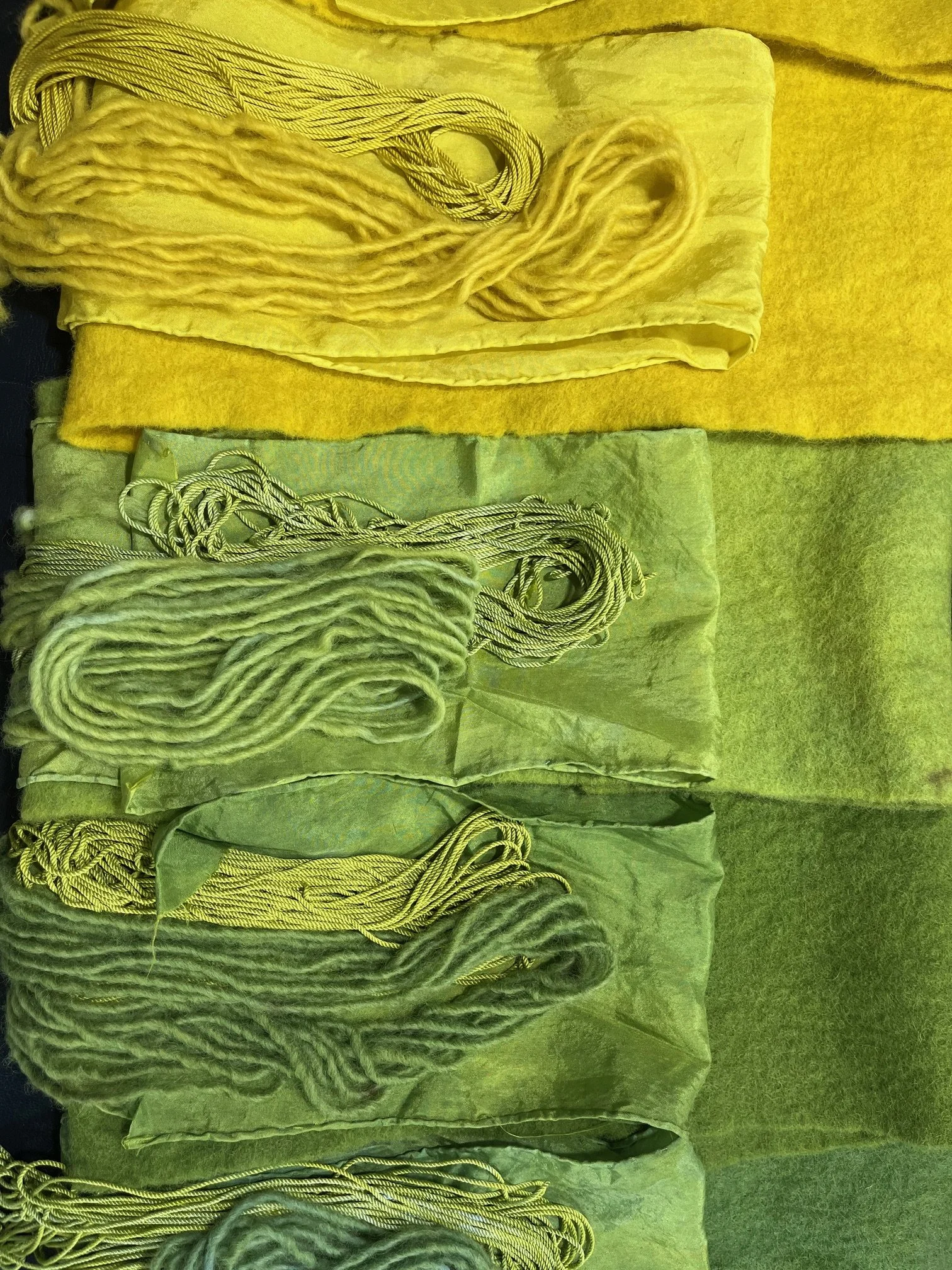
Mordants are not only used to fix dye—they can also modify color.
The same dye plant can produce a wide range of tones depending on the mordant used. For example:
Alum often yields bright, clear colors
Iron deepens, dulls, or “saddens” tones
Tannins can shift color while improving dye uptake on plant fibers
In this way, mordants become part of the creative process, allowing for subtle variation and expanded palettes from a single dye source.
Further Study
For a deeper understanding of mordanting and dye chemistry, we recommend The Art and Science of Natural Dyes by Catherine Ellis and Joy Boutrup.
Engaging in a dedicated natural dye study or workshop will further develop both technical skill and creative
Natural dyeing is a balance of preparation, process, and intuition.
When your foundation is strong, colour has the freedom to fully emerge
Join a Shibori or Botanical Print Workshop
Put these preparation techniques into practice