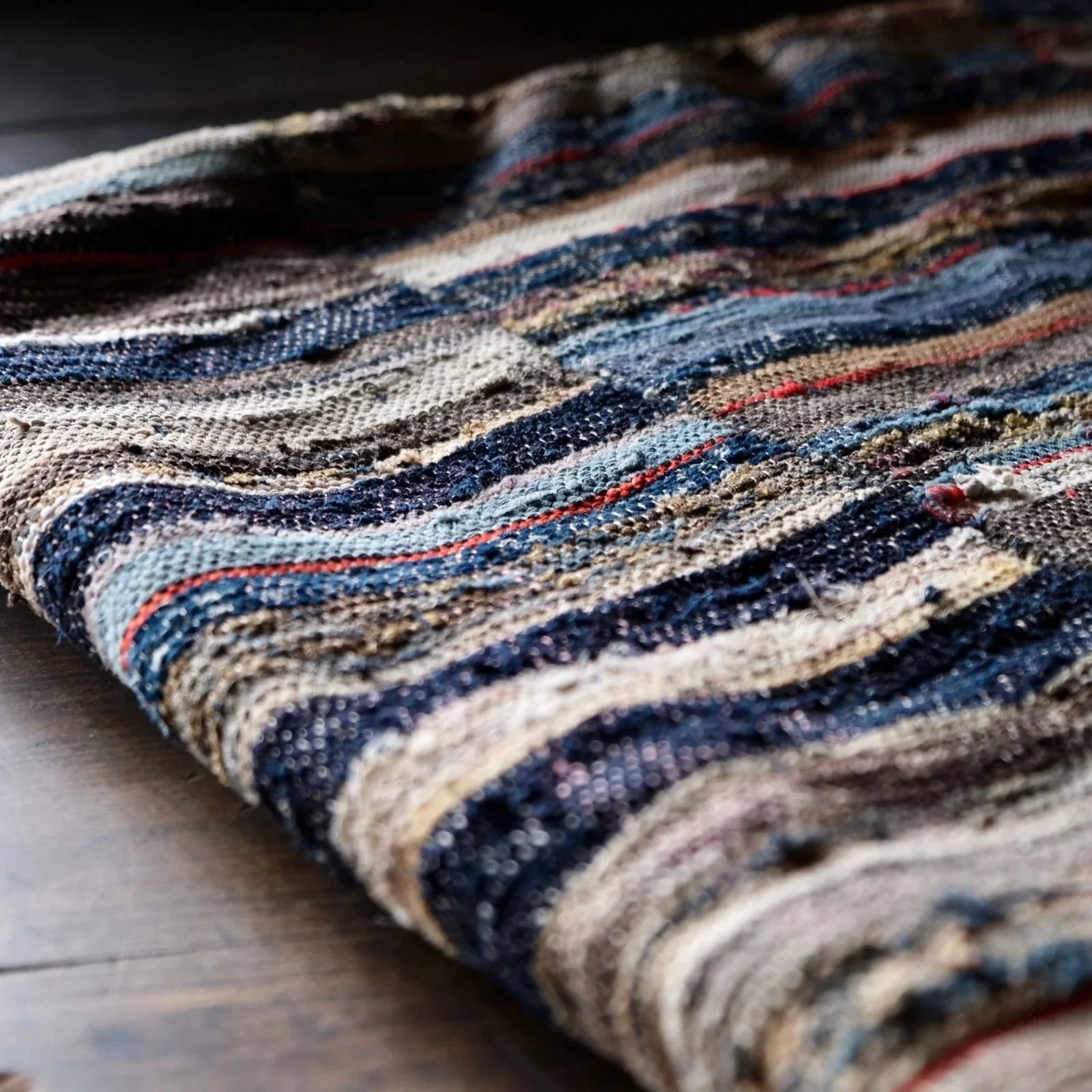
Japanese Boro Pouch:
Sakiori Weaving & Sashiko Stitching with Atsusko Chirikjian
Transform worn cloth into something enduring through stitch, structure, and story.
Mon, Feb 1 – Wed, Feb 3, 2027
9:00 AM – 4:00 PM Daily
Aya Fiber Studio | Stuart, Florida
The Relationship Between Sakiori and Boro
Sakiori and boro are closely connected traditions rooted in the Japanese philosophy of resourcefulness, repair, and respect for cloth.
Boro refers to patched, layered, and repeatedly mended textiles—often indigo-dyed garments or household fabrics that were repaired over generations through hand stitching. Rather than discarding worn cloth, families reinforced it with patches and sashiko stitching, allowing textiles to continue evolving with use.
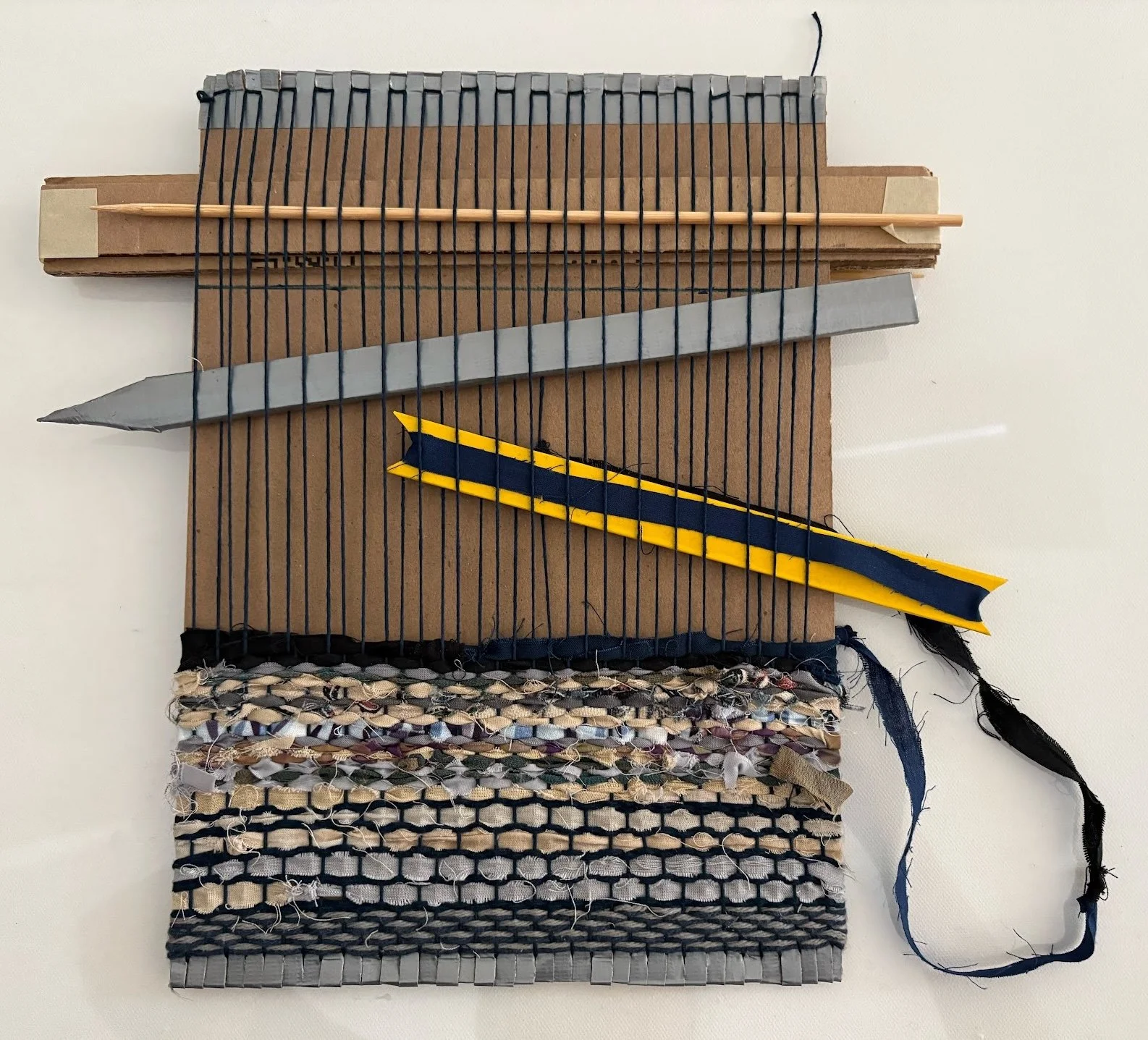
Sakiori, meaning “rag weaving,” takes this idea a step further. When cloth became too worn to patch or repair, it was cut into strips and rewoven into entirely new textiles. Old kimono, workwear, futon covers, and household fabrics were transformed into durable woven cloth for bags, rugs, work garments, and utilitarian household items.
In many ways, sakiori can be seen as a continuation of the boro tradition:
Boro preserves and repairs cloth
Sakiori reconstructs and renews cloth
Both practices emerged from necessity during periods when fabric was valuable and nothing was wasted. Today, they are admired not only for their practicality, but also for their layered textures, visible histories, and quiet beauty shaped by time and handwork.
About This Workshop
Rooted in the Japanese tradition of boro—a practice of mending, layering, and extending the life of textiles—this immersive workshop invites you to reimagine old materials through sakiori weaving and sashiko stitching.
Working with fabrics you bring from home, you’ll learn how to strip, weave, and reconstruct cloth into richly textured surfaces, then reinforce and embellish them with hand-stitched patterns inspired by traditional Japanese methods. Along the way, we’ll explore composition, balance, and the quiet design decisions that give each piece its individuality and sense of history.
More than a sewing class, this workshop is an exploration of renewal—of cloth, memory, and creative perspective.
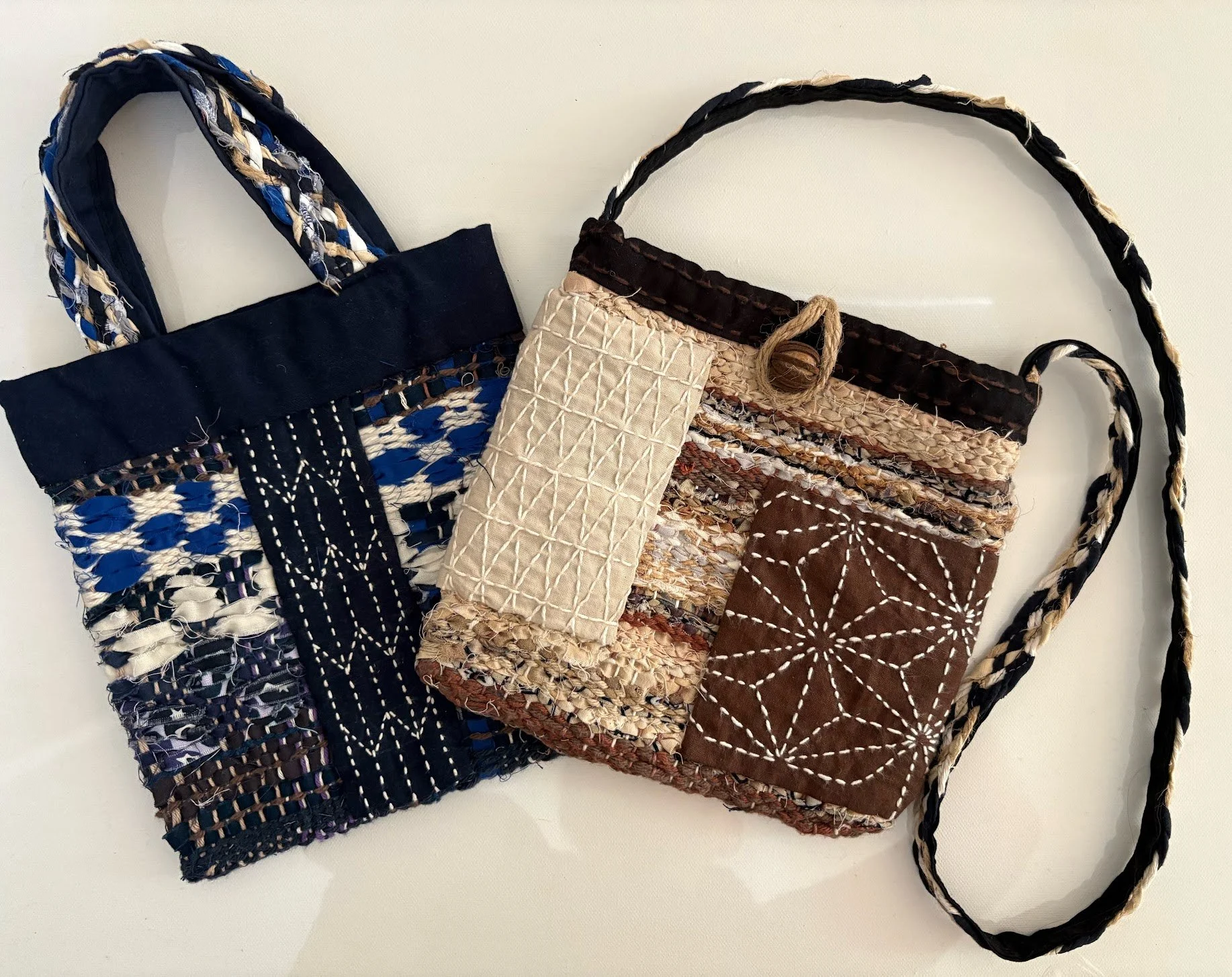
By the end of the workshop, you’ll complete a small boro-inspired pouch that reflects your personal aesthetic while carrying the story of its materials forward.
Suitable for beginners, as well as fiber artists, quilters, slow stitch enthusiasts, designers, and anyone drawn to the depth and beauty of Japanese textile traditions.
What is Sakiori?
“SAKIORI” is a traditional Japanese weaving technique developed to revive and extend the life of treasured cloth. The word itself combines saki (to tear or rip) and ori (to weave), referring to the process of cutting worn textiles into strips and weaving them into new fabric.
Originating during Japan’s Edo period, sakiori emerged from a culture of resourcefulness and respect for materials. Old garments and cloth too precious to discard were transformed into durable new textiles through careful handwork and creative reuse.
Today, sakiori is celebrated not only as a historic craft, but also as a meaningful form of textile upcycling—honoring sustainability, memory, and the quiet beauty of cloth with a previous life.
-
Foundations of Japanese boro aesthetics and textile reuse
Preparing and cutting fabric strips for sakiori weaving
Simple weaving techniques for creating textured cloth
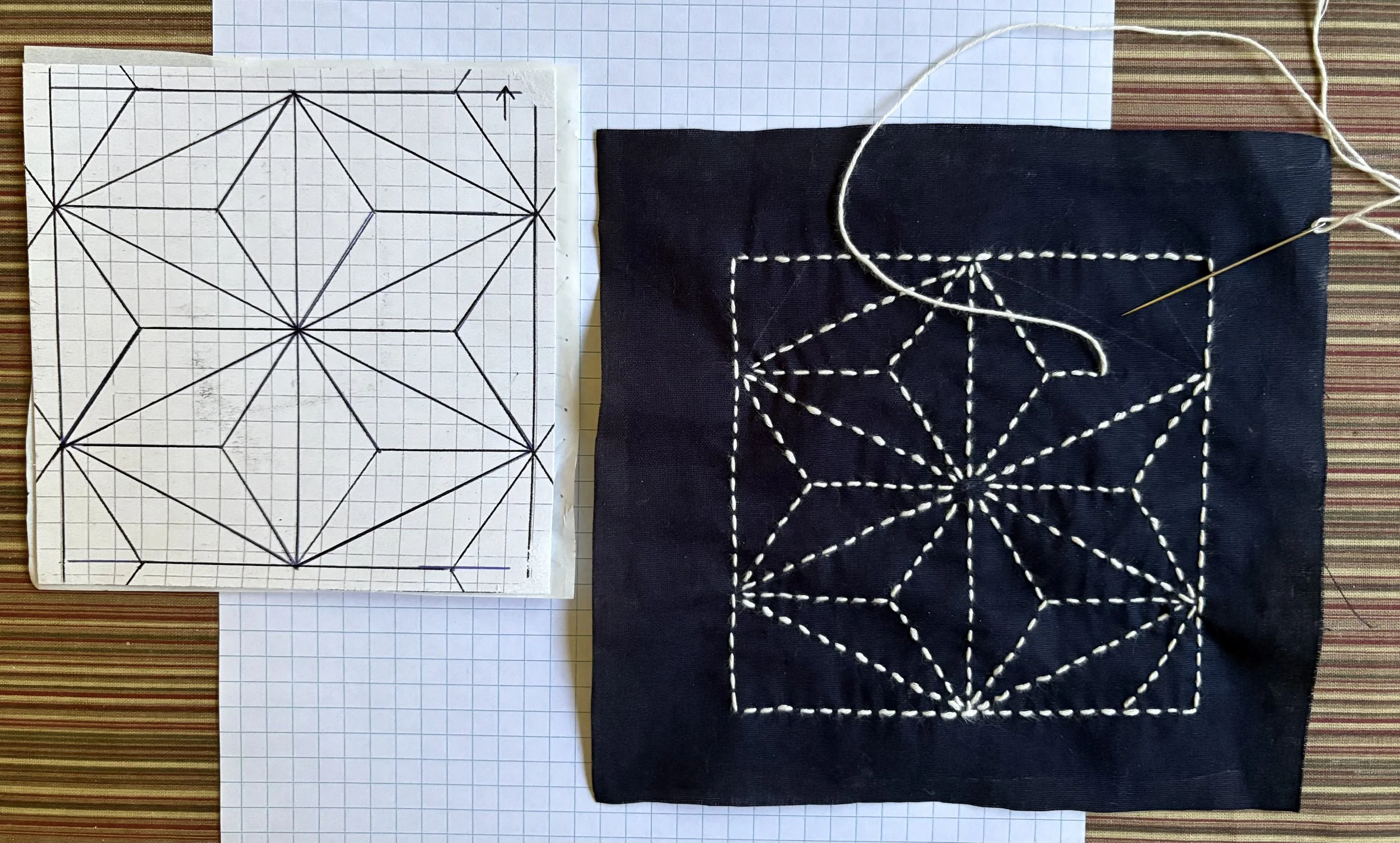
Traditional sashiko stitching methods and patterns
Layering, patching, and reinforcing fabric surfaces
Composition and design approaches for balanced textile work
Constructing and finishing a small boro pouch
-
This workshop is suitable for:
Beginners interested in Japanese textile arts
Quilters and stitchers looking to expand their techniques
Fiber and mixed media artists
Slow stitching and visible mending enthusiasts
Anyone interested in sustainable textile practices and handmade cloth
No prior weaving or sashiko experience is necessary.
-
A detailed supply list will be posted soon.
Students should begin gathering a selection of meaningful or interesting fabrics for cutting, layering, and stitching during class. Additional recommendations and preparation notes will be shared prior to the workshop.
-
No prior weaving experience or special equipment is required.
Atsuko will teach students how to create a simple handmade loom suitable for this project, allowing participants to continue exploring sakiori weaving techniques at home without the need for expensive equipment.
-
Material List for Sakiori / Sashiko Atsuko Chirikjian Sakiori
• Warp Yarn : 8/4 Cotton Warp Yarn • Weft Yarn : Cotton Crochet Yarn • Cotton Blend fabric for Weft Strip and Lining • Adhesive Sheet • Bamboo Skewers • Old Kimono Scraps from Japan • Jute Twine • Large Comb • Duct tape • Masking Tape • Handmade Cardboard Looms • Handmade Tools ( Reed, Shuttle, Pick up stick) made from Recycled Materials • Cotton webbing tape
Sashiko • Sashiko Fabric : Kona Cotton : Indigo / Ivory • Sashiko Needle • Sashiko Thimbles • Sashiko Thread • Carbon Tracing Paper • Ballpoint Pen for tracing • Graph Paper • Masking tape
Basic Tools (in Studio*) • Yarn Needle • Crochet Hook • Rotary Cutter • Cutting Mat • Iron *• Iron board *
What to bring • Your Own Basic Sawing Kit ( Scissors, Black and White Sewing thread, Pins) • Ruler with inch and cm • Old Fabric from home to use in Sakiori • Leftover Yarn & Thread from home • Around 3/4 “ Organic Buttons (Wood, Bamboo etc)
About the Instructor
Chirikjian, born in Tokyo, Japan, is a Mixed media/Fiber artist.
Her work has been shown nationally and internationally including The Museum of Contemporary Art Arlington, (Arlington VA), McLean Project for the Arts, (McLean, VA), Spartanburg Art Museum, (Spartanburg, SC), Trestle Gallery, (Brooklyn, NY), School 33 Art Center, (Baltimore, MD), Maryland Federation of Arts, (Annapolis, MD) and Kunststichting Perspektief, (Haacht, Belgium). Her work has been featured on The Washington Post, Textile Artist org. (UK), Field Project Gallery Online (NYC), and The Baltimore Sun. She was a 2018 Maryland State Art Council, Individual Artist Grants recipient. She earned her MFA in Fiber from Cranbrook Academy of Art in Michigan.
Japanese boro workshop Florida, sakiori weaving class, sashiko stitching workshop, visible mending workshop, Japanese textile arts, boro pouch workshop, slow stitching class, fiber art workshops Florida, Aya Fiber Studio, Japanese upcycling textiles