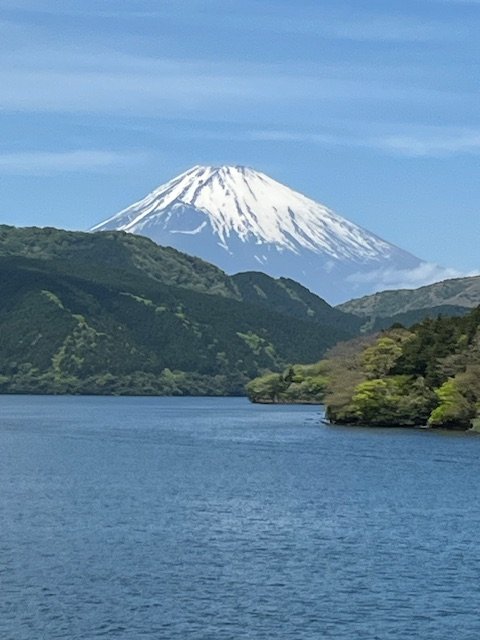
Indigo, Shibori, Folk Cloth & Washi Traditions of Northern Japan
Japan Textile Journey • May 21 – June 5, 2027
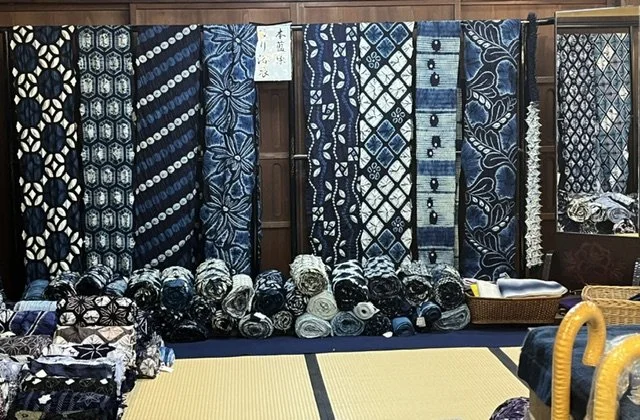
Travel through the textile traditions of Northern and Central Japan exploring indigo, shibori, antique textiles, stencil cutting, sashiko, folk cloth traditions, handmade paper, and artisan communities deeply connected to Japan’s cultural history.

Our Northern Japan Textile Journey moves from the historic neighborhoods of old Tokyo through Kyoto, Arimatsu, Takayama, Shirakawa-go, Kanazawa, and Echizen, following a path shaped by dye traditions, resist techniques, handmade tools, rural craft culture, and centuries of textile innovation.

Designed for artists, collectors, makers, and culturally curious travelers, this immersive experience balances workshops, artisan visits, flea markets, cultural exploration, scenic train travel, and meaningful independent discovery.

Rather than rushing between destinations, we spend several nights in each region whenever possible, allowing participants to settle into the rhythm of place and engage more deeply with Japan’s textile culture.hat to Expect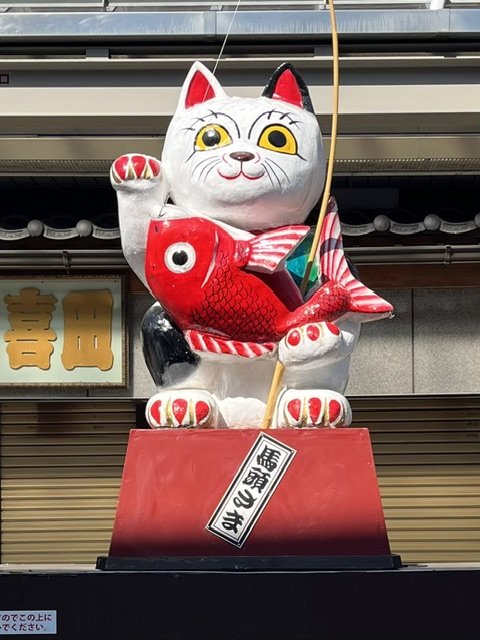
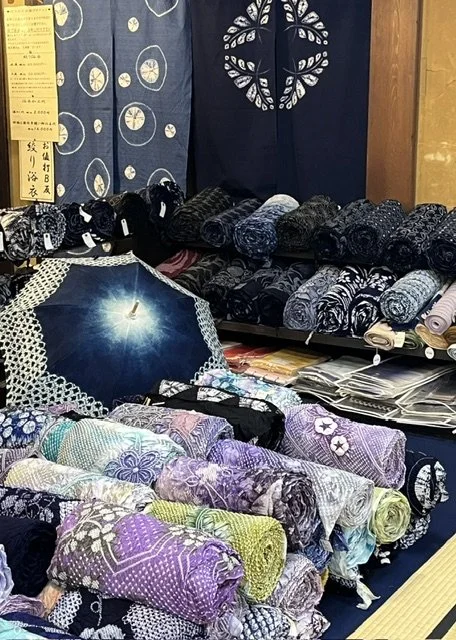
Journey Highlights
Indigo traditions and workshops in Tokyo
Oedo Antique Market
Edo textile traditions
Kyoto flea markets and textile districts
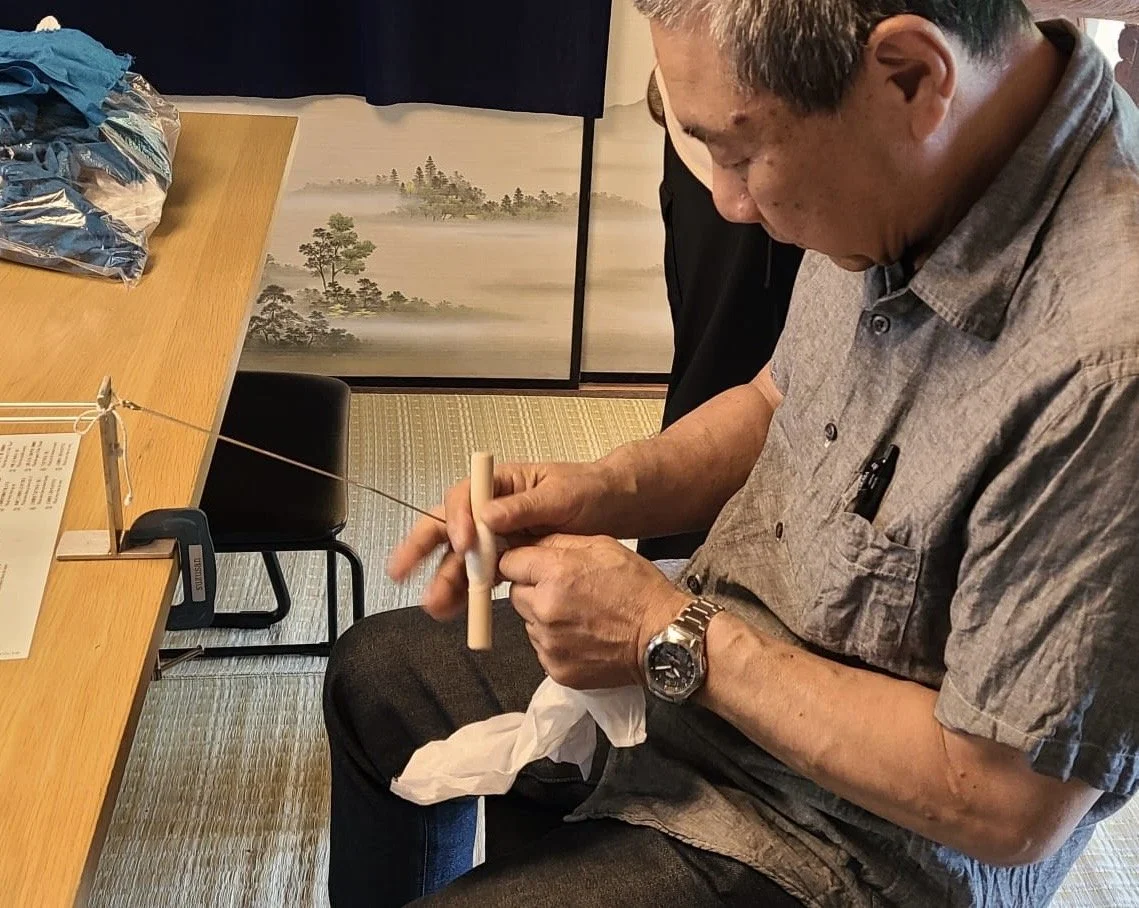
Roketsu wax resist workshop
Arimatsu shibori district
Katagami stencil cutting in Shiroko
Takayama folk textile culture
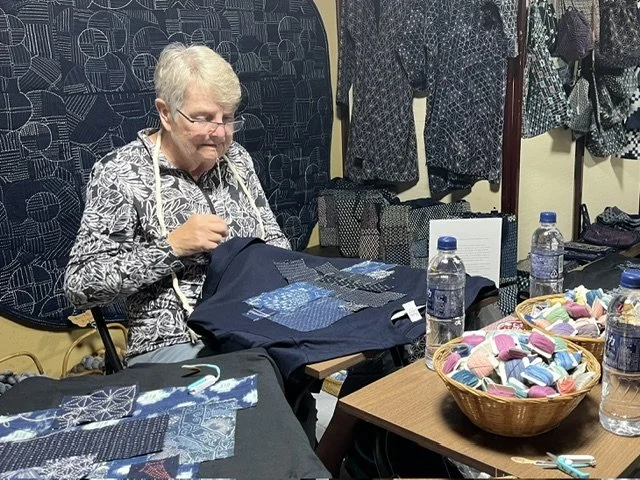
Sashiko immersion
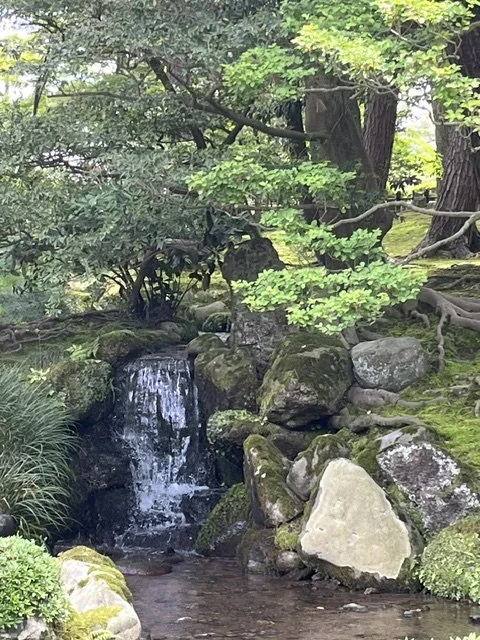
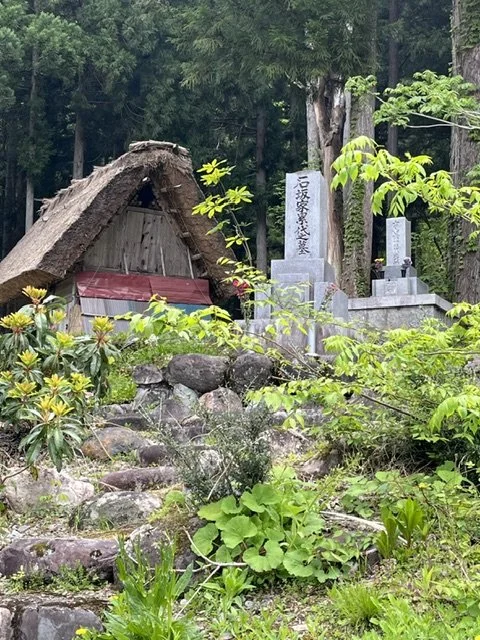
Shirakawa-go mountain village
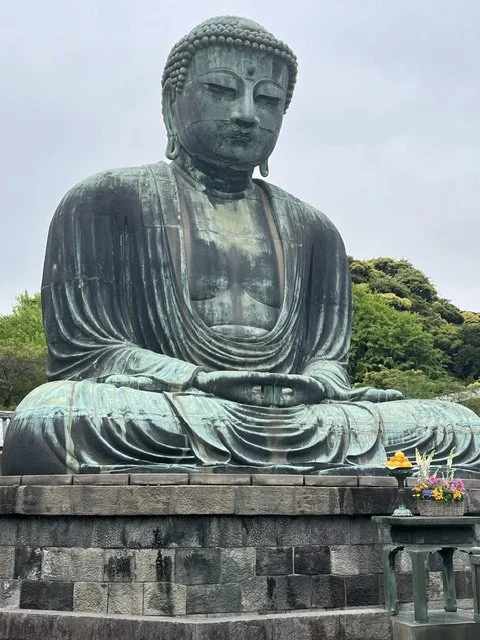
Kanazawa tour and craft traditions
Echizen Washi Village
Scenic train and mountain travel throughout Japan
Itinerary Overview
As everyone arrives, we take time to settle in, get comfortable, and begin connecting with those around us. The journey starts here.
May 21 — Arrival in Tokyo
Participants arrive in Tokyo and settle into our hotel in the historic Asakusa district. Evening arrival day only.
May 22 — Indigo & Old Tokyo
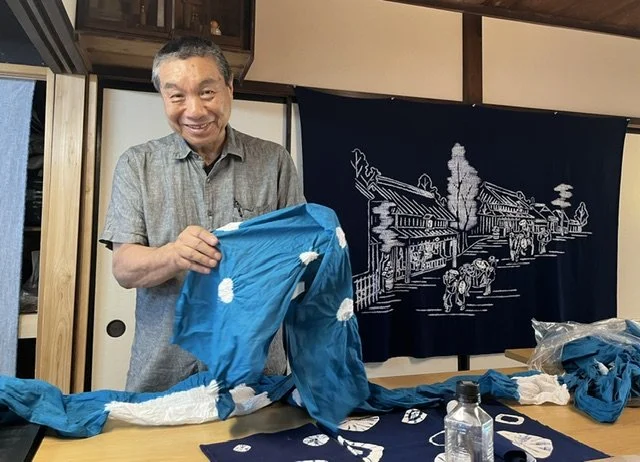
Our journey begins with indigo traditions and exploration of Tokyo’s historic craft neighborhoods including a workshop experience with Aikuma
May 23 — Oedo Antique Market & Textile Heritage
We visit the renowned Oedo Antique Market to explore antique textiles, kimono, folk objects, tools, and vintage cloth before continuing into Tokyo’s historic dyeing traditions and artisan neighborhoods.
May 24 — Edo Textile Traditions & Transfer to Kyoto
After morning textile experiences in Tokyo, including Edo textile traditions and artisan techniques, we travel by Shinkansen to Kyoto.
May 25 — Kitano Tenmangū Flea Market + Free Afternoon
Take a Kyoto city bus to Kitano Tenmangū Shrine for the monthly Tenjin-san Flea Market. Spend the morning browsing antique kimono, obi, textiles, tools, ceramics, baskets, and other vintage treasures, with time to explore the shrine and nearby neighborhood.
Lunch nearby, followed by a free afternoon. Participants may continue exploring Kyoto, shop, visit a museum or temple, return to the hotel to rest, or pursue their own interests.
May 26 — Tentative May 26 — Nishijin Textile District
Travel from the hotel to Kyoto’s Nishijin Textile District
Visit Orinasu-kan Museum of Hand-Weaving
Private visit to AIZENKOBO with Mr. Kenichi Utsuki, pending confirmation
Lunch in Nishijin
Explore the historic textile district, shops, machiya, and weaving-related sites
Tea ceremony in a traditional machiya townhouse
Return to Hotel Resol Kyoto Shijo Muromachi
May 27 — Guided Kyoto + Tanaka Nao + AONI Textiles
Morning — Private Guided Kyoto Tour
Our guide will meet us at the hotel for a four-hour introduction to Kyoto, with visits selected to give us a deeper sense of the city’s history, architecture, gardens, and culture.
Lunch — Central Kyoto
Early Afternoon — Tanaka Nao
Visit this wonderful traditional dye-material and textile supply shop in central Kyoto, with time to browse pigments, dyes, brushes, tools, and specialty materials.
Mid-Afternoon — Travel to Uji
Continue to Kyoto Station and take the JR Nara Line to Uji.
Approximately 2:30–3:00 p.m. — AONI Textiles
Private studio visit, pending confirmation, to learn about AONI’s work with hemp, ramie, jōfu, wild silk, hand-prepared fibers, yarns, and woven cloth.
Late Afternoon — Uji
Enjoy some free time for tea, shopping, or a short walk through Uji before returning to Kyoto.
May 28 — Nagoya Arrival & Konsei Workshop
Arrive in Nagoya and enjoy lunch near the station before beginning an afternoon workshop with Konsei. After the workshop, we’ll check into our hotel and enjoy a relaxed evening.
May 29 — Arimatsu Shibori District
We spend the day in historic Arimatsu, home to Japan’s famed shibori traditions, exploring artisan workshops, museums, shops, and the beautifully preserved historic district. Immersive Workshop with Murase-san
May 30 — Katagami Stencil Cutting
A private full-day workshop with katagami artisan Atsushi Kimura, created especially for our group. The day will explore traditional stencil cutting through history, artisan demonstrations, carving techniques, and hands-on work.
May 31 — Travel to Takayama
Journey into the Japanese Alps via scenic rail with time to explore Takayama’s preserved old town and mountain atmosphere.
June 1 — Sashiko & Folk Traditions
A slower day immersed in stitching traditions, sashiko, and the folk textile culture of the Hida region.- workshop with Keiko Futatsuya (mother of Atsushi Futatsuya)
June 2 — Shirakawa-go & Kanazawa
Travel through the mountain village region of Shirakawa-go before continuing to Kanazawa, known for its refined craft traditions and preserved historic districts.
June 3 — Kanazawa & Echizen Washi Traditions
Exploration of Kanazawa craft culture and the renowned papermaking traditions of Echizen Washi Village.8:45 Depart from Kanazawa Station (Kagayaki 501 bound for Tsuruga)
9:49 Arrive at Echizen-Takefu Station
10:00 Depart from Echizen-Takefu Station
10:20–11:20 (1:00) Echizen Washi | Taki Paper Mill – Workshop Tour (Including an introduction to washi materials)
*A workshop renowned for its innovative washi production, with collaborations including global luxury brands such as Issey Miyake.
11:30–12:00 (0:30) Echizen Washi | Osada Paper Mill – Shop Visit
12:15–12:40 (0:25) Okamoto & Otaki Shrine – Visit
13:00–14:00 (1:00) Lunch (Local Soba noodle restaurant)
14:15–15:15 (1:00)
Group A: Yanase Ryozo Washi Studio – Washi Paper-making Experience
Group B: Paper & Culture Museum
15:30–16:30 (1:00)
Group A: Paper & Culture Museum
Group B: Yanase Ryozo Washi Studio – Washi Paper-making Experience
*The two groups will rotate between the Washi-making Experience at Yanase Ryozo Washi Studio and the visit to the Paper & Culture Museum.
stay in nearby Hotel
June 4 — Return to Tokyo
Return to Tokyo for final overnight near the airport with farewell gathering and final evening together.
June 5— International Departures
Journey Style & Pacing
This itinerary is intentionally designed with a slower, immersive rhythm balancing:
artisan workshops
cultural exploration
flea markets
scenic train travel
independent discovery
regional cuisine
meaningful rest periods
Participants should be comfortable:
walking moderate distances
navigating train stations
carrying a day bag
standing during workshops or market visits
traveling with flexibility and curiosity
There will also be quieter moments built into the journey for reflection, photography, sketching, shopping, and independent exploration.
Independent Journey Information
This journey is designed as a complete and independent experience with its own participants, pacing, and artistic focus.
Travelers interested in extending their stay in Japan before or after the scheduled itinerary are welcome to independently explore additional regions, workshops, gardens, flea markets, and cultural destinations throughout Japan.
Japan textile tour
Northern Japan textile journey
Japan shibori tour
Japan indigo workshop
Arimatsu shibori
sashiko Japan
Japanese textile traditions
Japan textile workshops
Japan fiber art retreat
Kyoto textile tour
Oedo Antique Market
Japanese antique textiles
katagami stencil cutting
Echizen Washi Village
Japanese papermaking
Takayama folk textiles
Japan artisan tour
textile travel Japan
Aya Fiber Studio Japan tour
Japanese indigo traditions
Japanese folk cloth
Japan craft travel
Japanese resist dyeing
Japan cultural textile experience
-
These Japan Textile Journeys are not structured as traditional guided tours with rigid schedules, large tour groups, matching buses, or all-inclusive pricing models.
Instead, they are intentionally designed as more relaxed and immersive “come travel with me” experiences centered around textile traditions, artisan access, regional culture, meaningful exploration, and shared creative discovery throughout Japan.
The curator organizes and coordinates the itinerary, artisan visits, workshops, regional travel planning, accommodations guidance, and overall flow of the experience while traveling alongside participants throughout the journey.
A curation fee is included to cover the significant time involved in planning, organizing, coordinating artisan relationships, arranging workshops, researching logistics, and managing the overall travel experience.
Whenever possible, activities and experiences are priced at direct cost to participants. In situations where advance reservations, group bookings, charter transportation, workshop fees, or specialty experiences must be secured by the curator using personal payment methods, a small booking or coordination fee may be added to help offset transaction and administrative costs.
This flexible approach allows participants greater transparency, more accommodation choices, and a more authentic, relaxed, and personally immersive travel experience throughout Japan.
-
These journeys are designed for artists, textile enthusiasts, collectors, makers, and culturally curious travelers seeking a deeper and more immersive experience of Japan through cloth, craft, food, regional traditions, and artisan culture.
Participants do not need prior experience in Japanese textiles, but should have an appreciation for handmade traditions, cultural exploration, and flexible travel.
Our travelers are often:
fiber artists
quilters
surface designers
slow stitch enthusiasts
indigo lovers
creative travelers
collectors of textiles and folk craft
This is not a fast-paced sightseeing tour. These journeys are intentionally designed for meaningful cultural immersion and artistic inspiration.
-
These Japan Textile Journeys are carefully curated cultural and educational travel experiences designed around artisan access, regional textile traditions, meaningful cultural immersion, and thoughtfully paced exploration throughout Japan.
Pricing shown is an estimated overall journey cost excluding international airfare and includes:
itinerary planning and curation
coordination throughout the journey
workshop and artisan scheduling
group organization and support
select guided cultural experiences
regional transportation coordination
Tour activities will be priced as close to actual cost as possible.
Participants will pay a non-refundable deposit upon registration to reserve their place in the journey.
Once the curator has confirmed workshop schedules, artisan availability, lodging, and transportation logistics, a group Zoom meeting will be scheduled to review the itinerary, pacing, travel expectations, and participant questions.
Some experiences will be paid directly by participants and therefore incur no additional booking fees. These may include:
hotels
meals
regional transportation
independent activities
Other experiences require advance coordination, reservations, or group payment by the curator and may include a slight booking or coordination fee. These may include:
artisan workshops
private demonstrations
charter transportation
specialty guided experiences
reserved group activities
Participants may also be required to purchase certain regional transportation fares directly during the journey, including:
buses
local trains
ferries
SUICA/IC transit card fares
Not Included:
international airfare
meals
personal shopping
optional activities
travel insurance
independent transportation outside itinerary
Detailed inclusions, estimated costs, preparation information, and travel guidance will be provided to registered participants closer to departure..
-
International airfare for Japan typically begins appearing approximately 10–12 months prior to departure, although some airlines may release schedules slightly earlier or later depending on carrier and routing.
For May 2027 travel, participants will likely begin seeing more consistent airfare availability beginning in Summer 2026, with broader schedule availability appearing into Fall 2026.
In general, the best airfare pricing for Japan is often found:
approximately 6–9 months prior to departure
before peak spring demand increases
before cherry blossom and holiday season pricing escalates
Participants are strongly encouraged not to purchase non-refundable international airfare until the curator has confirmed the itinerary, workshop scheduling, and minimum participation requirements.
Hotel and ryokan availability in Japan is also often limited until approximately 10–12 months prior to travel, particularly for smaller traditional accommodations and rural inns.
Please note that portions of our journeys occur close to Japan’s Golden Week holiday period, one of the busiest domestic travel seasons in Japan. During this time:
hotels may book quickly
airfare pricing may increase
regional transportation becomes more limited
artisan availability may be affected
Because of this, flexibility and early planning are important.
Participants will receive guidance regarding:
recommended booking timelines
airport arrival suggestions
flight coordination
hotel availability
luggage forwarding
regional transportation
packing recommendations
travel insurance considerations
Additional booking information and travel guidance will be shared with registered participants during scheduled Zoom planning sessions closer to departure.Item description
-
Hotel and ryokan accommodations throughout the journey will generally be booked independently by participants using suggested properties and booking guidance provided by the curator.
This approach allows participants greater flexibility in selecting:
room type
room size
single occupancy accommodations
shared twin accommodations
hotel upgrade preferences
personal budget comfort levels
Participants requesting shared twin accommodations may be paired with another participant by the curator when possible. In shared room situations, one participant may make the reservation on behalf of both travelers once roommate arrangements have been confirmed.
Because this journey involves trains, stations, walking streets, stairs, regional transportation, and multiple hotel transitions, participants are strongly encouraged to pack lightly.
Luggage forwarding services may be utilized during portions of the journey to make travel easier and more comfortable.
-
To help reduce travel fatigue and create a more relaxed experience, this journey is intentionally designed around centralized accommodations whenever possible.
Rather than changing hotels every night, participants will typically stay several nights within the same city or regional base before moving onward to the next area of Japan.
Primary regional bases include:
Tokyo / Asakusa
Kyoto
Nagoya
Takayama
Kanazawa
From these locations, we may take day trips to surrounding artisan communities, workshops, markets, and cultural destinations while returning to the same accommodations at the end of the day whenever practical.
This approach allows participants to:
unpack less frequently
travel more comfortably
reduce luggage transfers
settle into the atmosphere of each region
enjoy slower mornings and evenings
experience Japan at a more immersive pace
Regional transportation throughout the journey may include:
Shinkansen
local trains
ferries
buses
taxis
occasional charter transportation
Because Japan involves considerable walking and train station navigation, participants are strongly encouraged to pack lightly and travel with manageable luggage whenever possible.
Luggage forwarding services may also be utilized during portions of the journey to simplify travel between regions.
-
Throughout the journey, we will stay in a combination of carefully selected hotels, traditional ryokan, and regional accommodations chosen for their location, comfort, cultural atmosphere, and proximity to workshops, train stations, and artisan experiences.
Room configurations in Japan are often smaller than many travelers are accustomed to, particularly in historic districts and traditional inns.
Participants may select:
single occupancy accommodations (when available)
shared twin accommodations
shared traditional Japanese-style rooms in select ryokan settings
Please note that in some smaller traditional accommodations, single rooms may be limited or unavailable. Travelers requesting private accommodations may occasionally need to stay at a nearby alternate property depending on regional availability.
Because this journey involves trains, stations, walking streets, stairs, regional transportation, and multiple hotel transitions, participants are strongly encouraged to pack lightly.
We recommend:
one manageable suitcase
one small day bag or backpack
comfortable walking shoes
layered clothing
minimal excess luggage
Japan is extremely walkable, but travelers should expect:
uneven sidewalks
train platforms
stairs
hotel transfers
carrying bags short distances
standing during workshops and market visits
Luggage forwarding services are widely available throughout Japan and may be utilized during portions of the journey to make travel easier and more comfortable.
These services allow larger luggage to be transferred ahead to a future hotel while participants travel with only a smaller overnight bag for select portions of the itinerary.
Detailed packing suggestions, seasonal recommendations, and luggage guidance will be provided prior to departure.
-
Comprehensive travel insurance is required for participation in our Japan Textile Journeys and should generally be purchased before making major travel reservations whenever possible.
Registered participants will also receive:
release of liability forms
trip disclosures
packing guidance
transportation information
accommodation recommendations
itinerary updates
cultural and accessibility considerations
Detailed preparation information and travel guidance will be shared with registered participants closer to departure.