Indigo, Kasuri, Washi & Craft Traditions of Southern Japan
Japan Textile Journey • May 2 – May 18, 2027
Step into a quieter and deeply atmospheric side of Japan shaped by indigo traditions, regional weaving, handmade paper, artisan villages, pottery communities, onsen culture, and slower rhythms of daily life.
Our Southern Japan Textile Journey travels through Kyushu, Shikoku, and Osaka, exploring traditions rooted in utility, craftsmanship, and place — from Kurume Kasuri weaving communities and Tokushima indigo to handmade washi paper, natural dye traditions, pottery villages, and the restorative culture of Japanese hot springs.
Designed for artists, collectors, makers, and textile enthusiasts, this immersive experience balances workshops, artisan visits, cultural exploration, regional cuisine, and independent discovery.
Rather than rushing between destinations, we spend time experiencing the atmosphere of each region through meaningful encounters with artisans, gardens, markets, historic towns, local foods, and textile traditions that continue to influence contemporary fiber art today.
Journey Highlights
Rural Kyushu exploration
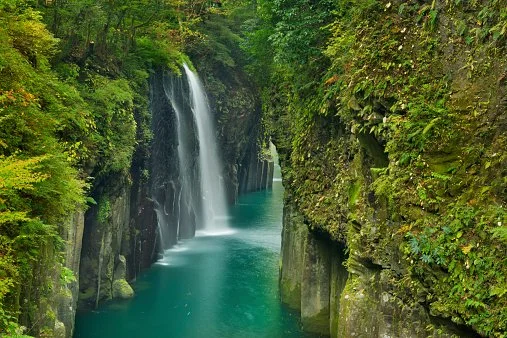
Miyazaki & Takachiho Gorge
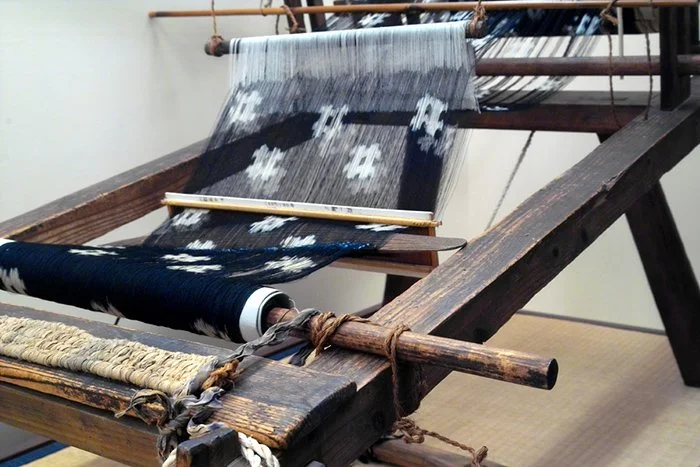
Kurume Kasuri weaving traditions
Yame tea culture and regional crafts
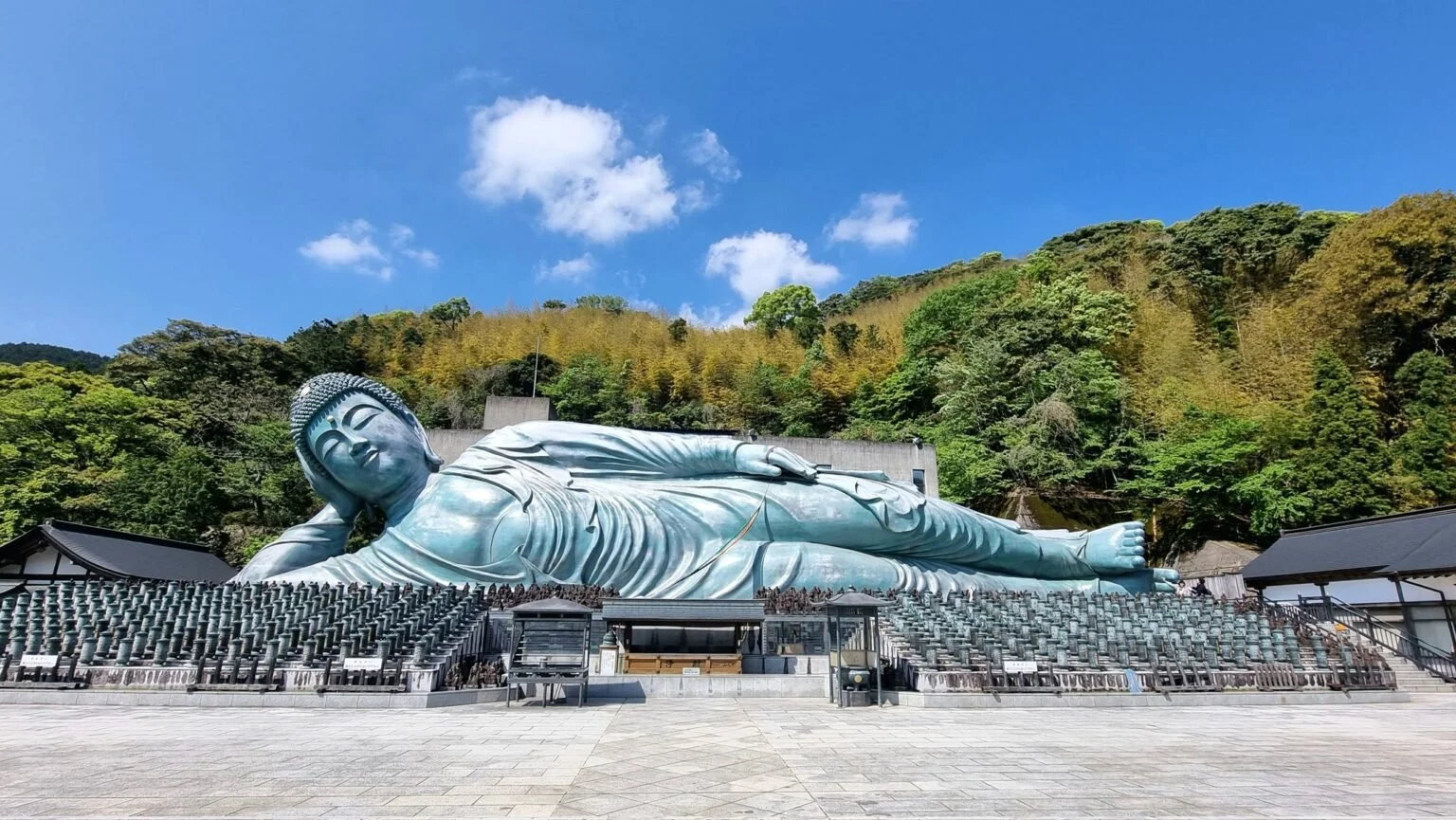
Oita pottery village visit
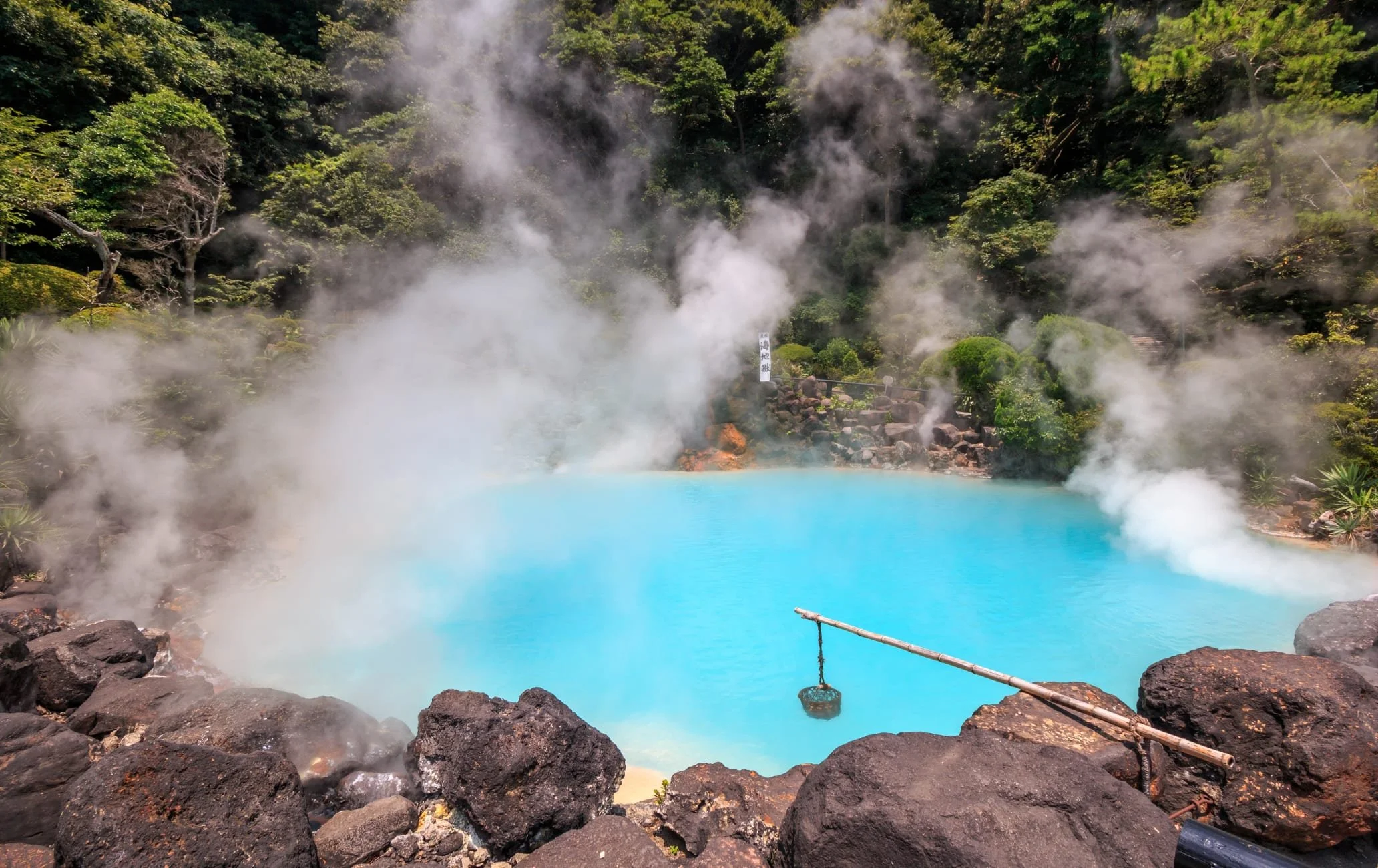
Beppu onsen experience
Ferry crossing across the Seto Inland Sea
Dogo Onsen in Matsuyama
Tokushima indigo traditions
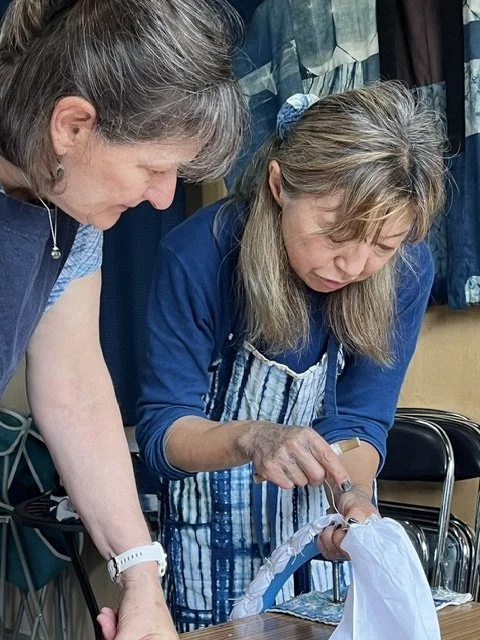
Sukumo indigo vats with Makiko-san
Indigo Museum and artisan visits
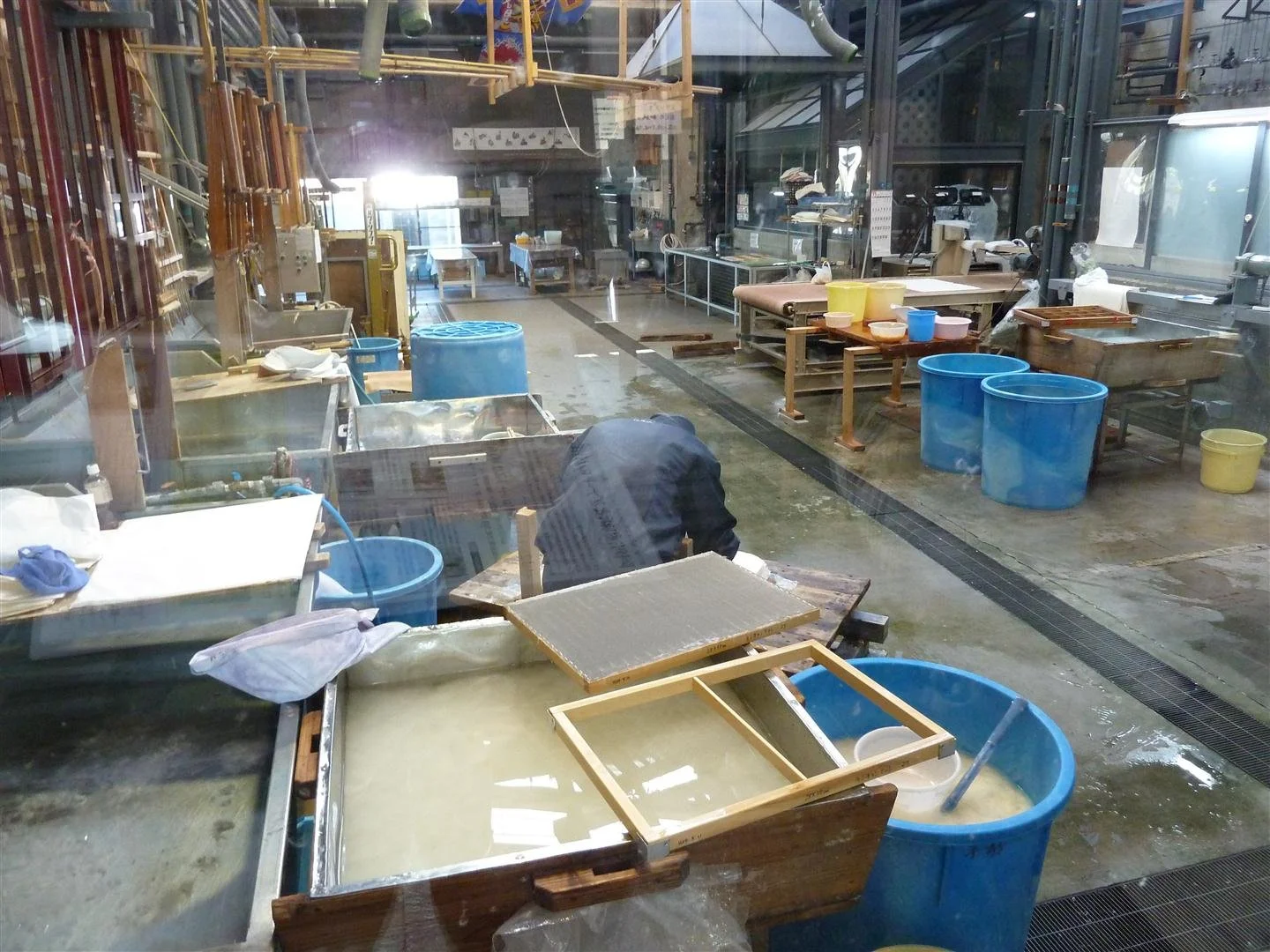
Awagami papermaking experience
Kakishibu and natural dye traditions in Kamiyama
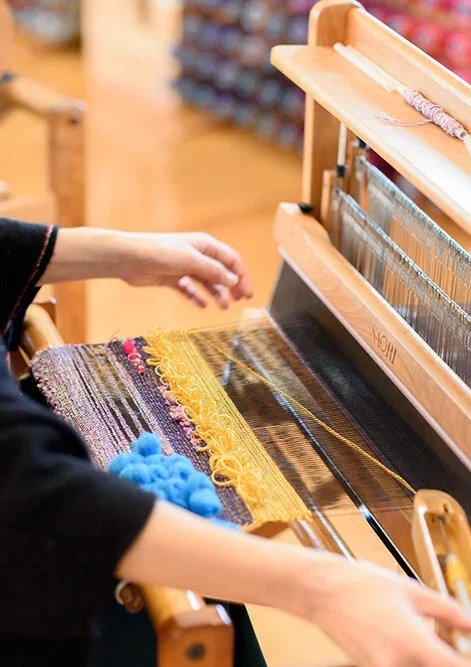
Saori weaving workshop at Saori no Mori
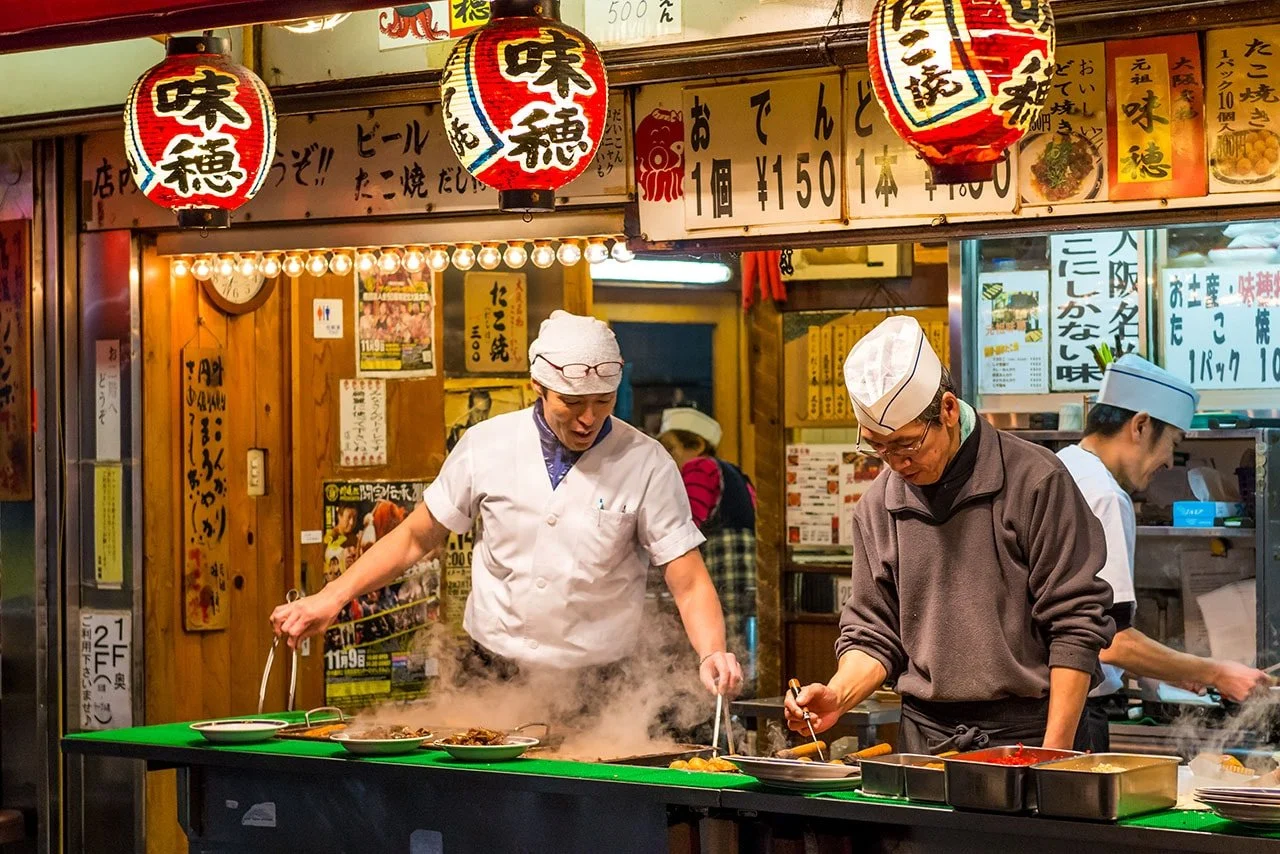
Osaka culinary and cultural experiences
Itinerary Overview
May 2 — Arrival in Fukuoka Participants arrive in Fukuoka and settle into our hotel for an easy arrival evening.
May 3 — Exploring Fukuoka A relaxed introduction to southern Japan with a half-day guided exploration of Fukuoka, allowing time to recover from travel while experiencing local culture, food, and atmosphere.
May 4 — Miyazaki & Takachiho Gorge
A full-day excursion exploring the dramatic landscapes and cultural traditions of the Miyazaki region, including the beautiful Takachiho Gorge area.
May 5 — Journey to Yame
We travel by bus to Yame, known for its historic craft traditions, tea culture, and connections to Kurume Kasuri textiles.
May 6 — Kurume Kasuri & Regional Craft Traditions
A day immersed in the weaving traditions of Kurume Kasuri alongside exploration of Yame tea culture and local artisan practices.
May 7 — Oita Pottery Villages & Beppu Onsen
Traveling by charter through Kyushu, we stop in the Oita region to explore traditional pottery villages before continuing to Beppu, one of Japan’s most famous hot spring destinations.
That evening and the following morning are devoted to experiencing Japanese onsen culture.
May 8 — Beppu to Matsuyama
After a morning at the onsen, we travel by train to Kokura before boarding a ferry across the Seto Inland Sea to Matsuyama on Shikoku Island.
Matsuyama is home to the famed Dogo Onsen, one of Japan’s oldest and most celebrated hot springs, believed to have inspired the bathhouse imagery in Spirited Away. Dogo Onsen has welcomed travelers, pilgrims, writers, and artists for more than a thousand years.
May 9 — Journey to Tokushima
We travel to Tokushima, considered the indigo heartland of Japan, where centuries of aizome traditions continue to thrive.
May 10–12 — Tokushima Indigo Immersion
Our time in Tokushima centers around indigo traditions and the work of Makiko-san, who will guide us through activities connected to sukumo indigo vats, dyeing traditions, and regional textile culture.
Additional experiences may include:
Tokushima Indigo Museum
artisan visits
indigo farms and studios
historical perspectives on Japanese indigo culture
This portion of the journey offers one of the deepest explorations of natural indigo traditions in Japan.
May 13 — Awagami Washi & Kamiyama
We visit the renowned Awagami Paper Factory for a hands-on papermaking experience before continuing into the mountain village region of Kamiyama for kakishibu and natural dye traditions with a local artisan.
May 14 — Kamiyama & Rural Craft Culture
A slower day immersed in rural craft culture, mountain landscapes, natural dye traditions, and village life.
May 15 — Journey from Shikoku to Osaka
Leaving the mountain village region of Kamiyama, we travel from Tokushima across the bridges and waterways connecting Shikoku to mainland Japan before arriving in Osaka for the final urban portion of our journey.
This scenic regional route offers a beautiful transition from rural indigo traditions and mountain artisan culture into the vibrant energy, food culture, and creative spirit of Osaka.
Travel throughout this portion of the journey may include regional highway bus transportation offering a comfortable and relaxed way to experience the landscapes and coastal views of southern Japan. We will settle into our Osaka Hotel near Shinsaibashi/ Dotonbori
May 16 — Saori Weaving at Saori no Mori
A hands-on weaving experience at Saori no Mori, the original home of Saori weaving — an expressive and improvisational weaving philosophy that has influenced fiber artists around the world. We will travel by train from Shinsaibashi to Izumi City and back after the workshop
May 17 — Osaka Food & Culture
A full-day gourmet food and culture experience exploring Osaka’s renowned culinary traditions before we head to our rooms to prepare for tomorrows travel.
May 18 — Departure Day
International departures or those traveling onward will go to their destination
Journey Style & Pacing
This itinerary is intentionally designed with a slower, immersive rhythm balancing:
artisan visits
workshops
cultural exploration
markets
independent time
regional cuisine
meaningful rest periods
Participants should be comfortable walking moderate distances, navigating trains and stations, and traveling with curiosity and flexibility.
Independent Journey Information
This journey is designed as a complete and independent experience with its own participants, pacing, and artistic focus.
Travelers interested in arriving early or extending their time in Japan are welcome to independently explore additional regions, workshops, gardens, flea markets, and cultural destinations before or after the scheduled itinerary.
Japan textile tour
Japan textile journey
indigo tour Japan
Tokushima indigo
Kurume Kasuri
Japan fiber art retreat
Japan textile workshops
Japanese textile traditions
Japan artisan tour
Japan craft travel
Saori weaving Japan
Washi papermaking Japan
Japanese natural dye workshop
Japan indigo workshop
textile travel Japan
Aya Fiber Studio Japan tour
Japanese folk textiles
Japanese craft traditions
Japan cultural textile experience
Southern Japan textile journey
-
These journeys are designed for artists, textile enthusiasts, collectors, makers, and culturally curious travelers seeking a deeper and more immersive experience of Japan through cloth, craft, food, regional traditions, and artisan culture.
Participants do not need prior experience in Japanese textiles, but should have an appreciation for handmade traditions, cultural exploration, and flexible travel.
Our travelers are often:
fiber artists
quilters
surface designers
slow stitch enthusiasts
indigo lovers
creative travelers
collectors of textiles and folk craft
This is not a fast-paced sightseeing tour. These journeys are intentionally designed for meaningful cultural immersion and artistic inspiration.
-
The pacing of our Japan Textile Journeys is intentionally slower and more immersive than many traditional group tours.
Rather than changing hotels every night or rushing between major tourist destinations, we spend several nights in each region whenever possible to allow participants to settle into the atmosphere of place and engage more deeply with local traditions.
Days may include:
artisan workshops
walking through historic districts
markets and shopping
museums and gardens
train travel
independent exploration
regional dining experiences
Participants should be comfortable:
walking moderate distances
navigating train stations
carrying a day bag
standing during workshops or market visits
traveling with flexibility and curiosity
There will also be quieter moments built into the journey for rest, reflection, sketching, photography, and independent discovery
-
These Japan Textile Journeys are not structured as traditional guided tours with rigid schedules, large tour groups, matching buses, or all-inclusive pricing models.
Instead, they are intentionally designed as more relaxed and immersive “come travel with me” experiences centered around textile traditions, artisan access, regional culture, meaningful exploration, and shared creative discovery throughout Japan.
The curator organizes and coordinates the itinerary, artisan visits, workshops, regional travel planning, accommodations guidance, and overall flow of the experience while traveling alongside participants throughout the journey.
A curation fee is included to cover the significant time involved in planning, organizing, coordinating artisan relationships, arranging workshops, researching logistics, and managing the overall travel experience.
Whenever possible, activities and experiences are priced at direct cost to participants. In situations where advance reservations, group bookings, charter transportation, workshop fees, or specialty experiences must be secured by the curator using personal payment methods, a small booking or coordination fee may be added to help offset transaction and administrative costs.
This flexible approach allows participants greater transparency, more accommodation choices, and a more authentic, relaxed, and personally immersive travel experience throughout Japan.
-
These Japan Textile Journeys are carefully curated cultural and educational travel experiences designed around artisan access, regional textile traditions, meaningful cultural immersion, and thoughtfully paced exploration throughout Japan.
Pricing shown is an estimated overall journey cost excluding international airfare and includes:
itinerary planning and curation
coordination throughout the journey
workshop and artisan scheduling
group organization and support
select guided cultural experiences
regional transportation coordination
Tour activities will be priced as close to actual cost as possible.
Participants will pay a non-refundable deposit upon registration to reserve their place in the journey.
Once the curator has confirmed workshop schedules, artisan availability, lodging, and transportation logistics, a group Zoom meeting will be scheduled to review the itinerary, pacing, travel expectations, and participant questions.
Some experiences will be paid directly by participants and therefore incur no additional booking fees. These may include:
hotels
meals
regional transportation
independent activities
Other experiences require advance coordination, reservations, or group payment by the curator and may include a slight booking or coordination fee. These may include:
artisan workshops
private demonstrations
charter transportation
specialty guided experiences
reserved group activities
Participants may also be required to purchase certain regional transportation fares directly during the journey, including:
buses
local trains
ferries
SUICA/IC transit card fares
Not Included:
international airfare
meals
personal shopping
optional activities
travel insurance
independent transportation outside itinerary
Detailed inclusions, estimated costs, preparation information, and travel guidance will be provided to registered participants closer to departure.
-
International airfare for Japan typically begins appearing approximately 10–12 months prior to departure, although some airlines may release schedules slightly earlier or later depending on carrier and routing.
For May 2027 travel, participants will likely begin seeing more consistent airfare availability beginning in Summer 2026, with broader schedule availability appearing into Fall 2026.
In general, the best airfare pricing for Japan is often found:
approximately 6–9 months prior to departure
before peak spring demand increases
before cherry blossom and holiday season pricing escalates
Participants are strongly encouraged not to purchase non-refundable international airfare until the curator has confirmed the itinerary, workshop scheduling, and minimum participation requirements.
Hotel and ryokan availability in Japan is also often limited until approximately 10–12 months prior to travel, particularly for smaller traditional accommodations and rural inns.
Please note that portions of our journeys occur close to Japan’s Golden Week holiday period, one of the busiest domestic travel seasons in Japan. During this time:
hotels may book quickly
airfare pricing may increase
regional transportation becomes more limited
artisan availability may be affected
Because of this, flexibility and early planning are important.
In many cases, hotel accommodations can be reserved well in advance using platforms such as Booking.com, with payment often not required until shortly before arrival or sometimes upon arrival depending on the property and booking terms. This allows participants flexibility while airfare schedules and final itinerary details are being confirmed.
Participants will receive guidance regarding:
recommended booking timelines
airport arrival suggestions
flight coordination
hotel availability
luggage forwarding
regional transportation
packing recommendations
travel insurance considerations
Additional booking information and travel guidance will be shared with registered participants during scheduled Zoom planning sessions closer to departure.
-
Throughout the journey, we will stay in a combination of carefully selected hotels, traditional ryokan, and regional accommodations chosen for their location, comfort, cultural atmosphere, and proximity to workshops, train stations, and artisan experiences.
Room configurations in Japan are often smaller than many travelers are accustomed to, particularly in historic districts and traditional inns.
Participants may select:
single occupancy accommodations (when available)
shared twin accommodations
shared traditional Japanese-style rooms in select ryokan settings
Please note that in some smaller traditional accommodations, single rooms may be limited or unavailable. Travelers requesting private accommodations may occasionally need to stay at a nearby alternate property depending on regional availability.
Because this journey involves trains, stations, walking streets, stairs, regional transportation, and multiple hotel transitions, participants are strongly encouraged to pack lightly.
We recommend:
one manageable suitcase
one small day bag or backpack
comfortable walking shoes
layered clothing
minimal excess luggage
Japan is extremely walkable, but travelers should expect:
uneven sidewalks
train platforms
stairs
hotel transfers
carrying bags short distances
standing during workshops and market visits
Luggage forwarding services are widely available throughout Japan and may be utilized during portions of the journey to make travel easier and more comfortable.
These services allow larger luggage to be transferred ahead to a future hotel while participants travel with only a smaller overnight bag for select portions of the itinerary.
Detailed packing suggestions, seasonal recommendations, and luggage guidance will be provided prior to departure.
-
Hotel and ryokan accommodations throughout the journey will generally be booked independently by participants using suggested properties and booking guidance provided by the curator.
This approach allows participants greater flexibility in selecting:
room type
room size
single occupancy accommodations
shared twin accommodations
hotel upgrade preferences
personal budget comfort levels
In many cases, accommodations in Japan can be reserved well in advance through platforms such as Booking.com, with payment often not required until shortly before arrival or upon arrival depending on the property and booking terms.
Participants requesting shared twin accommodations may be paired with another participant by the curator when possible. In shared room situations, one participant may make the reservation on behalf of both travelers once roommate arrangements have been confirmed.
Please note:
room sizes in Japan are often smaller than expected
traditional ryokan accommodations may have limited room configurations
single occupancy rooms may not always be available in smaller regional inns
travelers requesting private accommodations may occasionally need nearby alternate lodging depending on regional availability
Suggested accommodations, booking timelines, station areas, and room guidance will be provided to registered participants once the itinerary and regional logistics have been finalized.Item description
-
Comprehensive travel insurance is required for participation in our Japan Textile Journeys and should generally be purchased before making major travel reservations whenever possible.
Participants are strongly encouraged to obtain coverage that may include:
trip cancellation and interruption
medical coverage
emergency evacuation
travel delays
lost or delayed baggage
international health coverage
Travel insurance policies and coverage options vary widely, and participants are responsible for selecting coverage appropriate for their individual travel needs and circumstances.
Because these journeys involve international travel, regional transportation, walking tours, workshops, artisan studios, traditional accommodations, ferries, trains, stairs, uneven walking surfaces, and independent travel time, participants should carefully review their insurance coverage prior to departure.
Registered participants will also receive:
release of liability forms
trip disclosures
travel expectations
packing guidance
transportation information
itinerary updates
accommodation recommendations
cultural and accessibility considerations
These materials are intended to help participants prepare for a safe, informed, and enjoyable travel experience throughout Japan.tem description