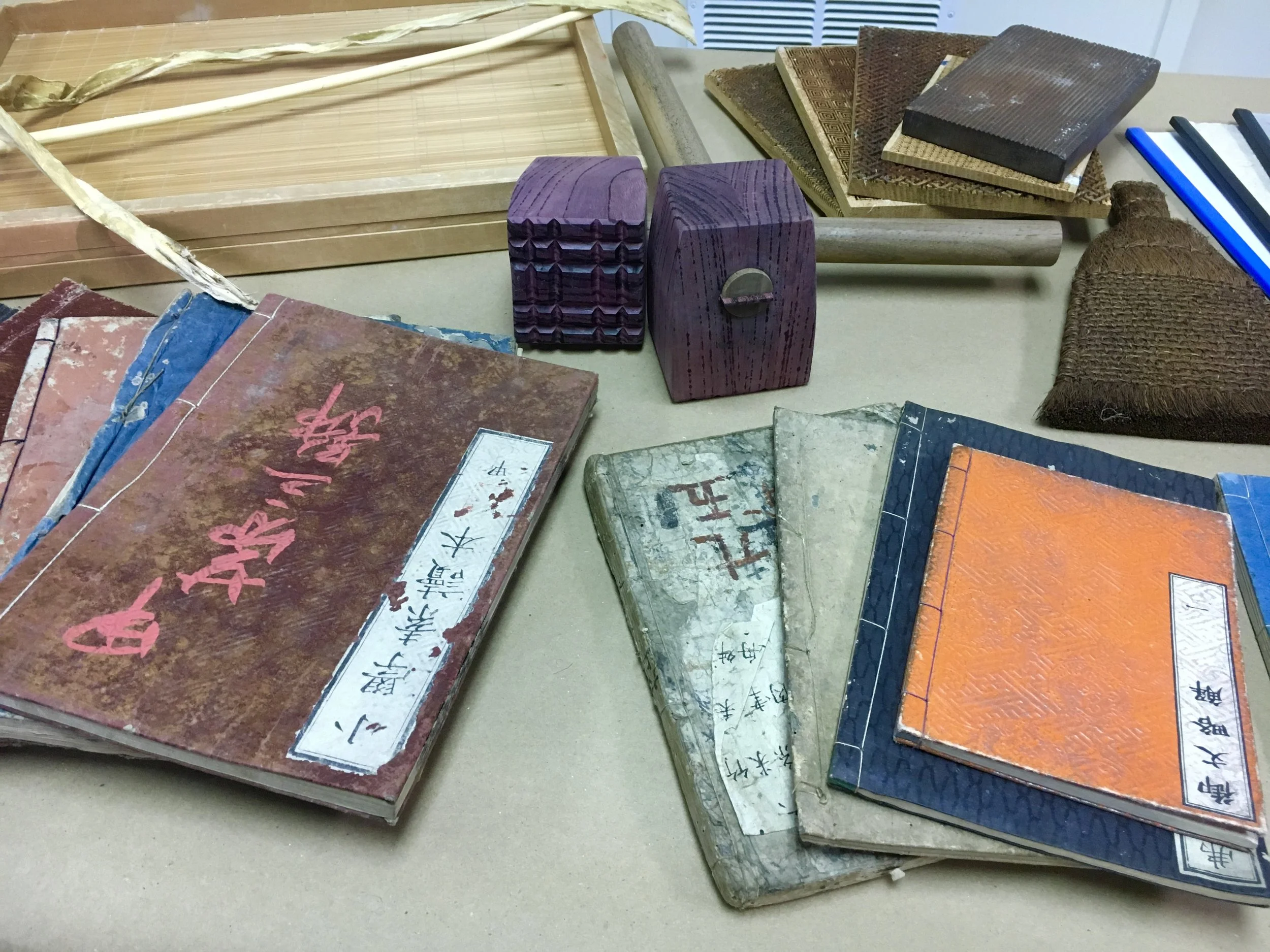
Japanese Papermaking & Bookbinding Intensive with Anne Covell
February 9–11, 2027
Three Japanese Craft Traditions • One Immersive Experience
Papermaking • Natural Dyes • Traditional Bookbinding
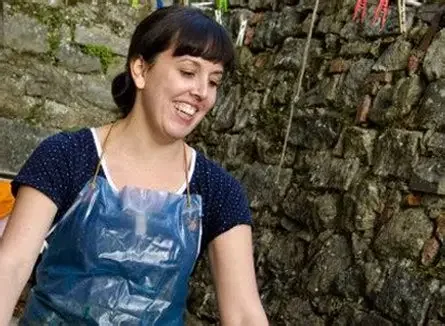
About Anne Covell
Anne Covell is a book artist, papermaker, and educator whose work explores the intersection of handmade paper, natural materials, traditional craft, and contemporary book arts. Her practice reflects a deep respect for process and materiality, bringing together papermaking, natural dyeing, and book structures to create works that honor both historical traditions and contemporary expression.
A Three-Day Retreat into Washi, Natural Dyes, and the Art of the Handmade Book
There is a quiet beauty in handmade paper. Fiber, water, motion, and time come together to create something both humble and extraordinary—a sheet of paper capable of carrying stories, preserving memories, and becoming art itself.
Join artist and bookmaker Anne Covell for an immersive three-day exploration of traditional Japanese papermaking and bookbinding. Working through a sequence of carefully connected processes, participants will learn how handmade washi is formed, decorated, strengthened, and ultimately transformed into elegant hand-bound books.
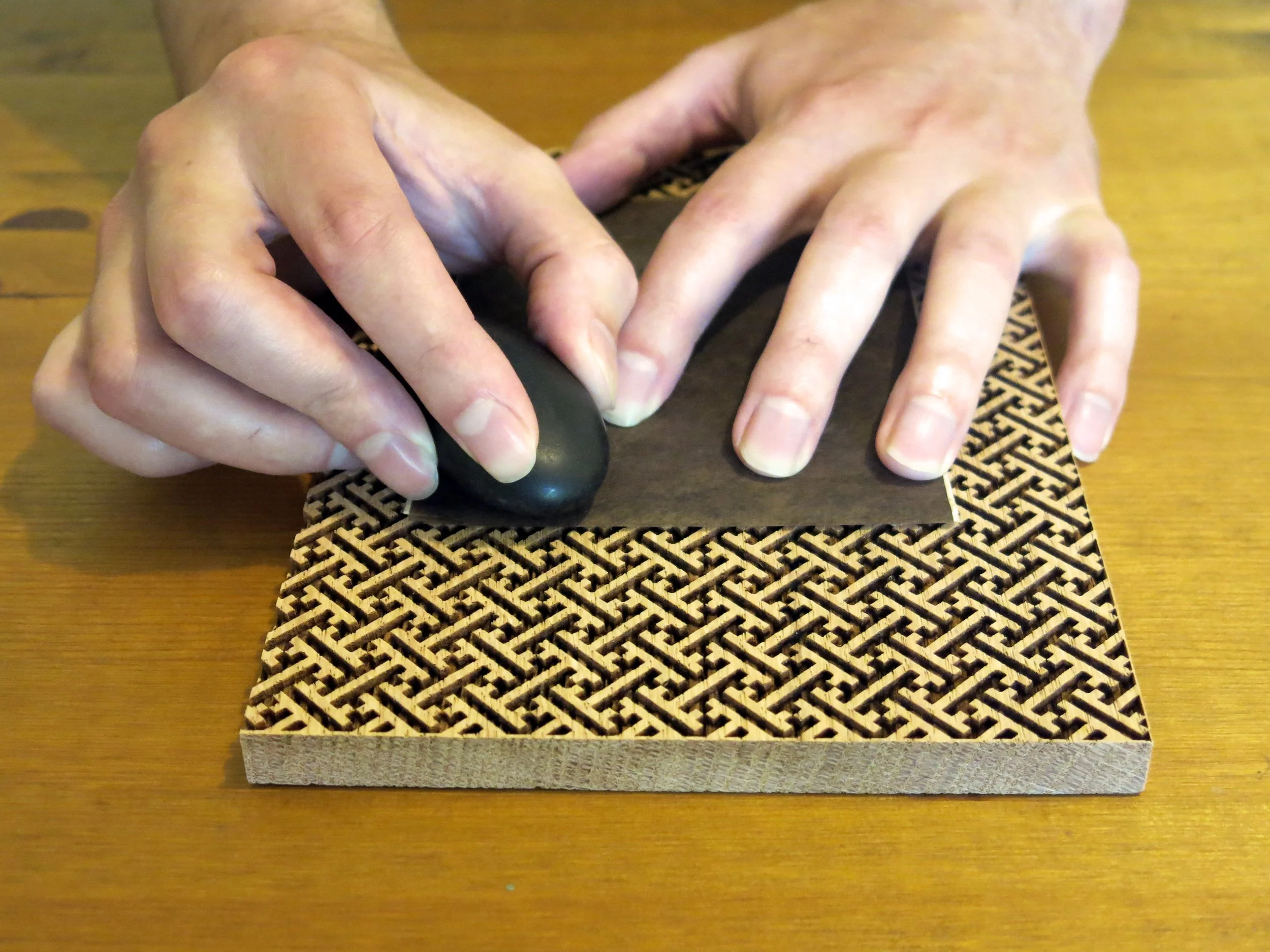
Beginning with traditional Nagashizuki papermaking, students will create their own handmade papers while learning historic Japanese methods of fiber preparation, sheet formation, pressing, and drying. From there, we will explore decorative surface techniques including natural dyeing with kakishibu (persimmon tannin), clove, and indigo, as well as shibori resist methods, embossing, burnishing, and momigami—the traditional kneaded paper process that creates a supple, leather-like surface.
On the final day, participants will transform their handmade materials into three traditional Japanese book structures, gaining insight into centuries-old binding traditions that continue to inspire contemporary book artists around the world.
Throughout the workshop, students will create a cohesive body of work that reflects the Japanese aesthetic values of craftsmanship, resourcefulness, and thoughtful attention to materials.
Students will leave with:
• Handmade Nagashizuki washi papers
• Decorative hand-dyed papers using natural dyes
• Embossed and burnished cover papers
• Experience with shibori and momigami techniques for paper
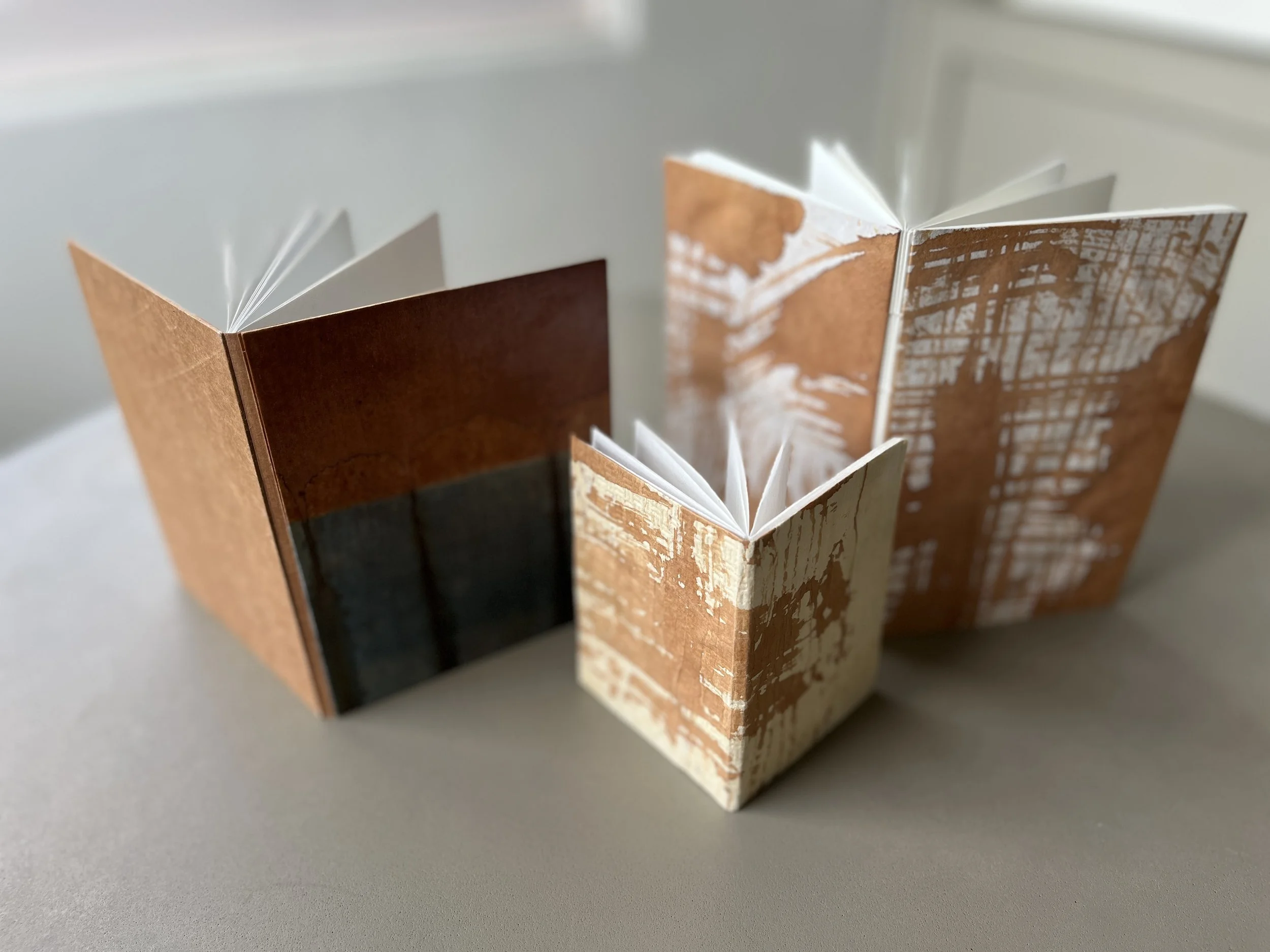
• Three traditional Japanese bound books
• A deeper understanding of Japanese paper and book arts traditions
-
Before books, before printing, before digital screens, there was paper.
For centuries, Japanese papermakers refined a process that transformed humble plant fibers into sheets of extraordinary beauty, strength, and luminosity. Washi became the foundation for books, screens, scrolls, clothing, and countless forms of artistic expression.
In this workshop, you'll experience the remarkable transformation of fiber into paper, paper into surface, and surface into book. Through slow, hands-on processes, you'll gain an appreciation for the craftsmanship, patience, and aesthetics that have shaped Japanese paper traditions for generations.
Whether you are a fiber artist, book artist, printmaker, mixed-media artist, or simply someone drawn to beautiful materials, this workshop offers a rare opportunity to work deeply with one of Japan's most celebrated craft traditions.
-
This workshop is ideal for:
Book artists
Papermakers
Fiber artists
Printmakers
Mixed-media artists
Surface designers
Journal makers
Calligraphers
Textile artists
Anyone interested in Japanese craft traditions
No previous papermaking or bookbinding experience is required. Experienced artists will find ample opportunity for deeper exploration while beginners receive step-by-step guidance throughout the process.
-
Over three immersive days, Anne Covell will guide participants through three interconnected Japanese craft traditions that build upon one another.
Papermaking
Learn traditional Nagashizuki sheet formation techniques, fiber preparation, pressing, and drying methods used to create handmade washi. Students will also explore Hangami papermaking, a specialized process used to create lightweight backing papers for book structures.Surface Design & Decorative Papers
Transform your handmade papers using natural dyes and traditional decorative techniques. Explore brush and vat dyeing with indigo, kakishibu (persimmon tannin), and clove, along with embossing, burnishing, shibori, and momigami.Bookbinding
Using the papers created throughout the workshop, students will construct three traditional Japanese book forms while learning the principles that distinguish Japanese binding traditions from Western approaches.By the end of the workshop, each participant will have experienced the entire creative cycle—from raw fiber to finished book.
-
DAY 1 Presentation on Historic Edo Period hand papermaking and cover-making Nagashizuki hand papermaking Hangami recycled papermaking with ink removal method Pressing and drying techniques
DAY 2 Natural dyeing (methods for brush and vat dyeing with Indigo, clove, and kakishibu) Shibori and momigami techniques Cover lamination Burnishing and embossing techniques
DAY 3 Cover preparation Japanese ledger binding Japanese multi-section binding Traditional Japanese stab binding with inner binding
Special Opportunity: Tropic Bound Miami
Anne will be participating in Tropic Bound, Miami's internationally recognized artists' book fair, February 4–7, 2027.
Students interested in extending their experience may join an informal Aya Fiber Studio group excursion to Tropic Bound during the weekend preceding the workshop. We'll meet in Miami and travel together via Brightline before returning to Stuart for the workshop.
If interested, let Suzanne know when registering.
Studio Experience at Aya Fiber Studio
Unlike large conference-style events, workshops at Aya Fiber Studio are intentionally small, allowing meaningful interaction with the instructor and ample workspace for every participant.
Each student enjoys generous table space, access to wet-process areas, drying facilities, power and USB connections, and a thoughtfully equipped studio environment designed specifically for fiber and surface design work.
Fresh coffee, tea, and morning pastries are provided daily, along with assistance coordinating lunch orders from nearby restaurants.
The result is a relaxed, immersive atmosphere where participants can focus fully on learning, making, and creative exploration.
Japanese papermaking workshop
Washi paper making class
Traditional Japanese bookbinding
Handmade paper retreat
Nagashizuki papermaking
Japanese book arts workshop
Momigami paper techniques
Kakishibu dye workshop
Indigo dyed paper
Fiber art retreat Florida
Book arts intensive
Handmade book workshop
Japanese craft traditions
Decorative paper making
Washi and bookbinding retreat
This is the type of workshop that can attract not only fiber artists, but also book artists, printmakers, mixed-media artists, calligraphers, paper makers, and journal enthusiasts—giving it a broader search audience than many textile-only workshops.